
2014 Vintage Report

Vintage Report by James Hook

The harvest from McLaren Vale region was 33,092 tonnes in 2014, down by 2,137 tonnes (6%) from the 2013 harvest of 35,229 tonnes.

Spring vine growth.

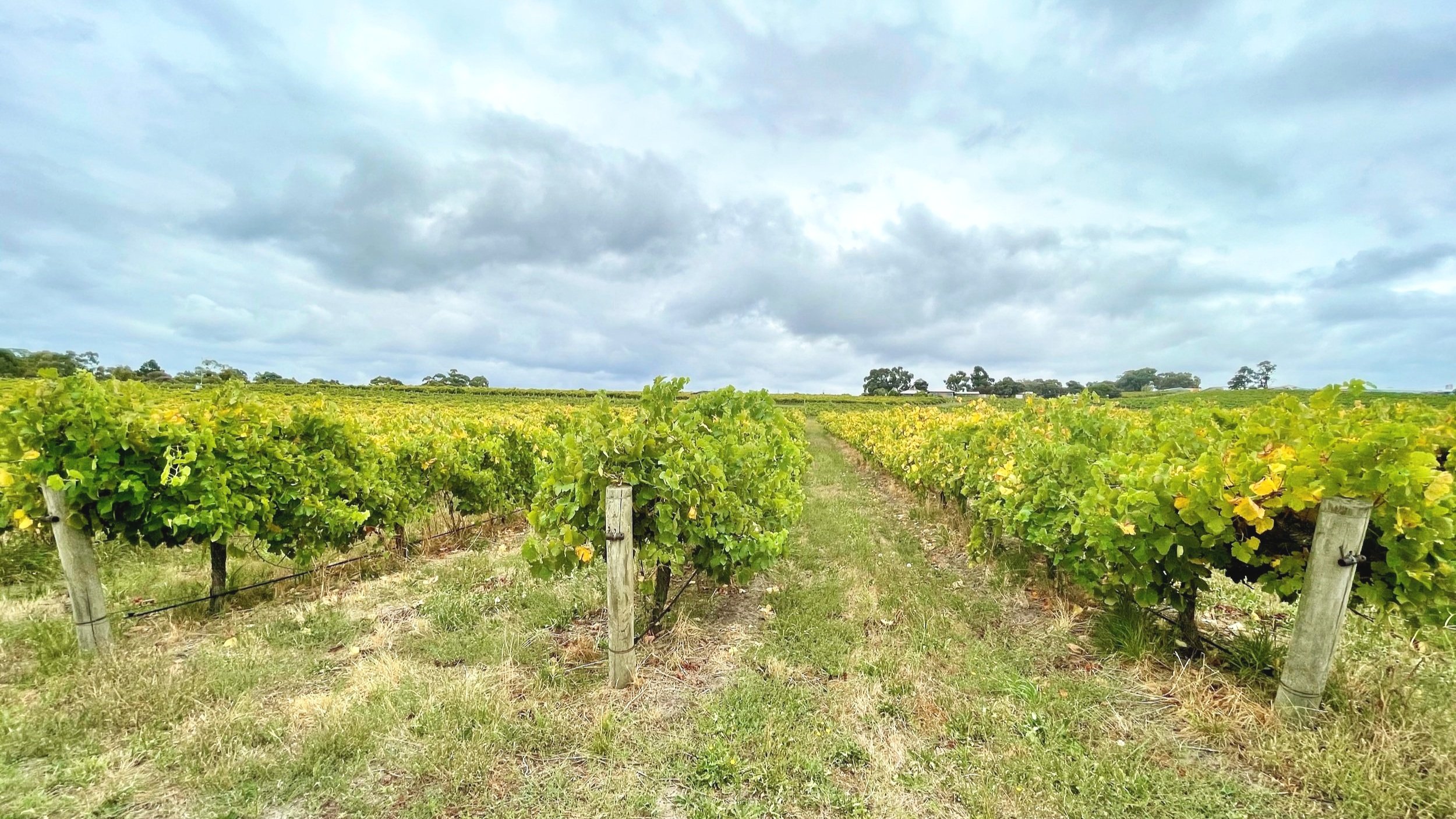
For McLaren Vale summer conditions were significantly warmer than average with two heat waves through January and one in February tested the limits of grapevine tolerance to extreme heat. Equally damaging were extremely high speed winds which reduced berry set, stripped leaves and reduced the size of canopies and increased the level of fruit exposure. This was followed by some very hot days.

The 2013 vintage was completed earlier than expected in McLaren Vale and many thought that going into this year’s would have been the same after vines ‘shut down’ through January and February to limit water stress. The opposite happened. Rain in February rehydrated vines and freshened up vine leaves. The rain also signaled the beginning of a pattern of cooler daytime temperatures which allowed fruit to finish ripening during some relatively moderate temperatures. The moisture boost also fortunately helped improve fruit balance and crop levels for the district. This year’s harvest was prolonged by a slow ripening period. The first harvest began with sparkling base at the end of January and ended during April with the last of the red grapes crushed. Ultimately the weather though March and April produced one of the easiest vintages since the early 2000’s.

James Hook McLaren Vale Crop Watch Editor
2013 Vintage Report

Vintage Report by James Hook

The 2013 vintage has been completed earlier than expected in McLaren Vale. The season was successful with no rain interrupting the quick harvest. Harvesting grapes was completed by the end of March. With all of the fruit safely into wineries by Easter, the industry is now grateful for a holiday break.

Blewitt Springs Shiraz ripening in early Autumn.

Chardonnay was harvested from the middle of February with Shiraz beginning at the end of February. By the first week of March a large percentage of the district had already been harvested. Harvested yields were down from what was expected but did total more than recent seasons.


The harvest from McLaren Vale was 35,229 tonnes in 2013, up by 3,474 tonnes (10.9%) from the 2012 harvest of 31,755 tonnes.


As well as being dry, there was effectively no rainfall for three months from December; it was also notable for being a warm summer. In the background it was officially announced to be the warmest summer experienced in Australia since records began and this explains the rapid ripening seen locally. The weather presented some challenges, but also had some advantages, disease levels were the lowest for many years and fruit was very clean. Demand for McLaren Vale fruit was high, due to low crops in recent vintages which are typical in dry seasons, but also because of the regions reputation for consistent quality.

Winery demand was led by the classic red grape varieties Shiraz and Cabernet Sauvignon. There was also interest in Grenache and Mourvèdre which are varieties that suited by warm and dry weather. The average prices for McLaren Vale fruit is expected to increase in response to this demand when final tallies are calculated.

The McLaren Vale vintage was light in crop, but of very good quality. Grape bonus payments based on that quality will help make up for some shortfalls in grape growers returns from lower than expected tonnages. At this early stage the wine quality is looking very promising with the reds having excellent colour and flavour.

The rapid and early harvesting tested many winemakers experience in juggling which vineyards to pick immediately and which grapes to keep on the vine to improve. When picked just right, the results will rank highly compared against previous vintages that have earned McLaren Vale its reputation.