
Early, Dry and Surprisingly Resilient
Vintage 2025 will be remembered as one of McLaren Vale's driest seasons on record.
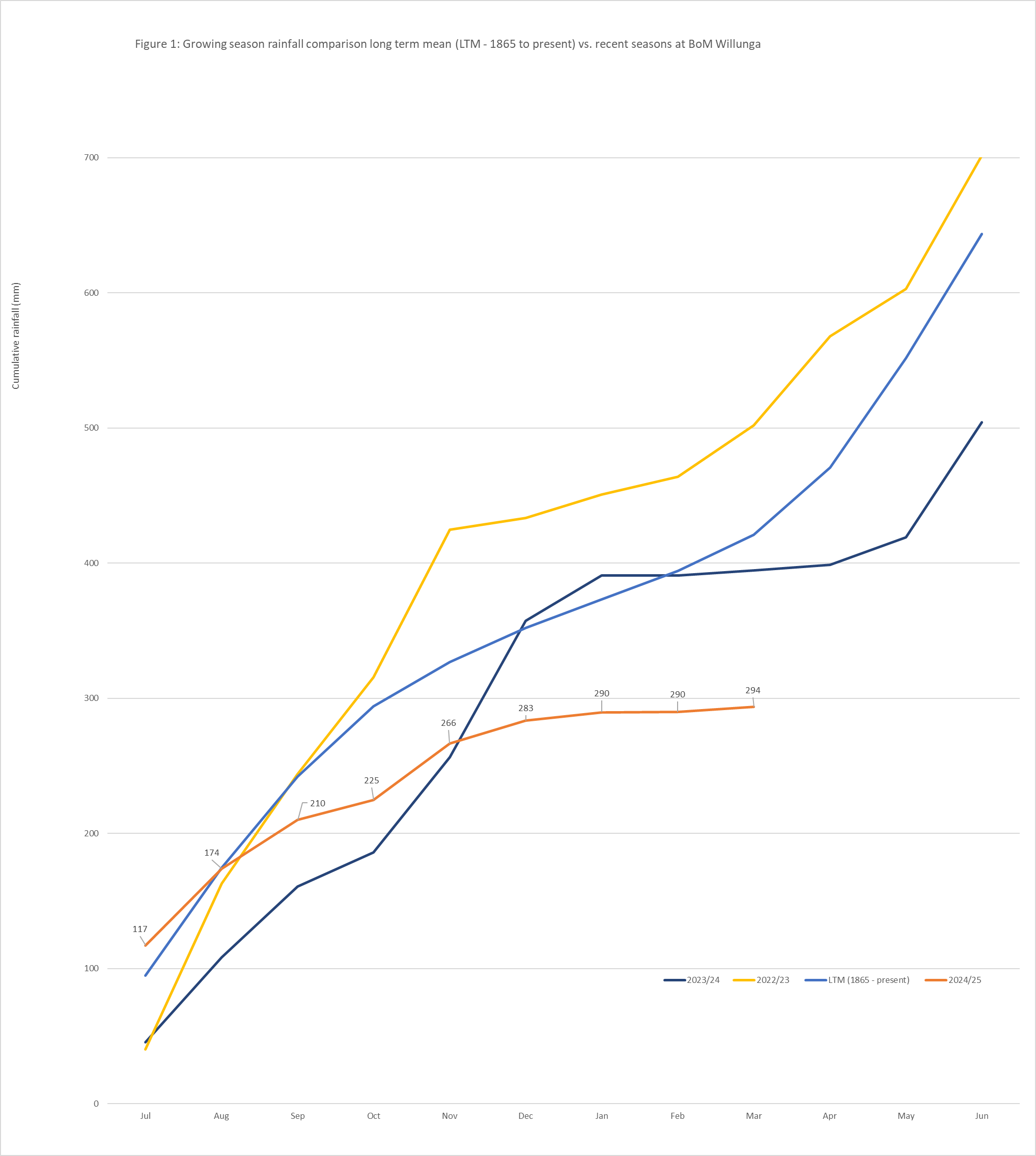
Rainfall was well below average throughout winter, spring and summer, with the region receiving around 120 mm less rain than Vintage 2024 and about 200 mm less than Vintage 2023. In fact, it was the driest season recorded since the McLaren Vale CropWatch weather station network, which Lazy Ballerina owner James Hook uses to advise the local wine community, was established in 2003. Despite the dry conditions, vineyards generally remained in good condition, although careful irrigation management was critical across the region.
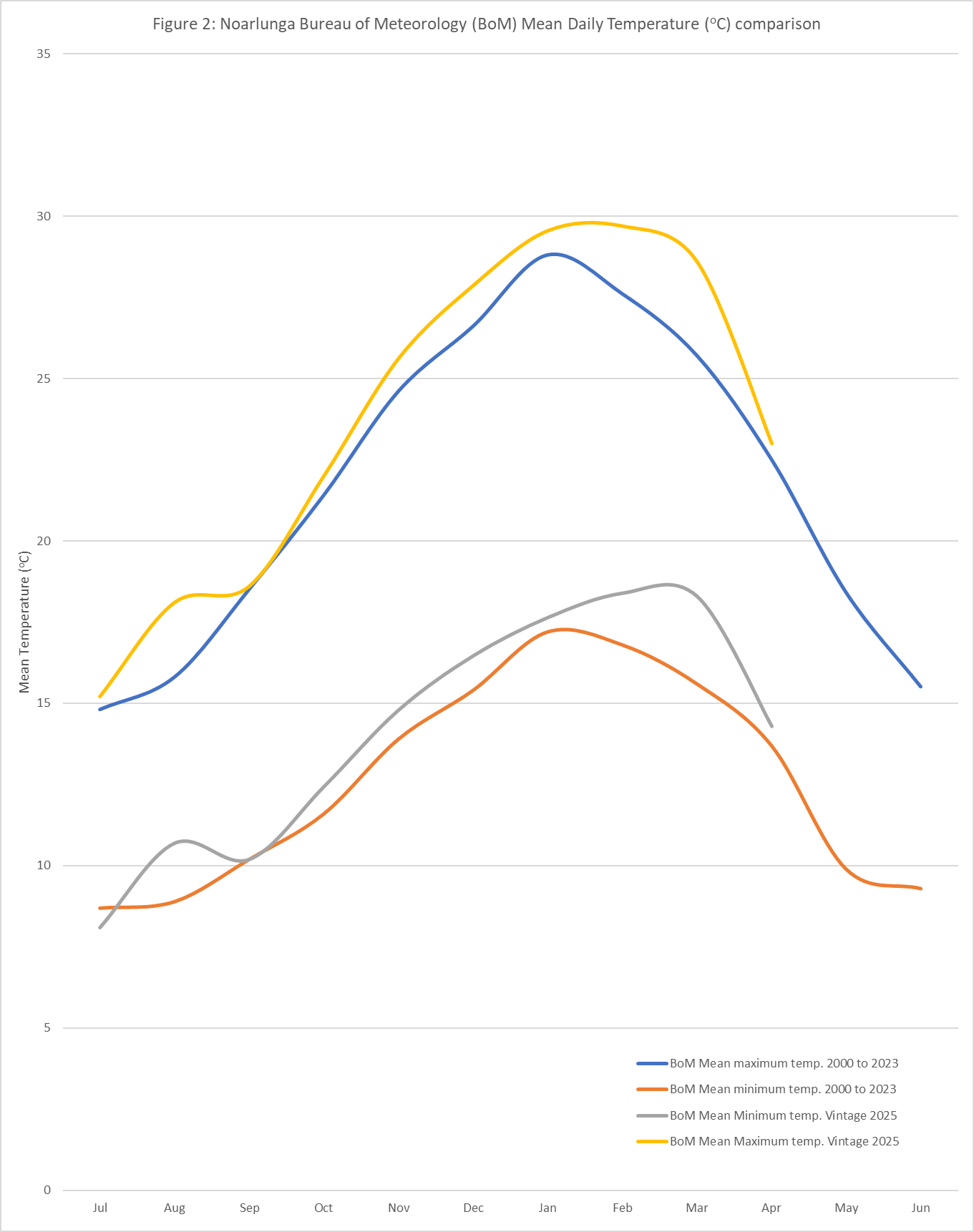
Warm weather arrived early and stayed for most of the season. Spring temperatures were above average, leading to an early budburst and rapid vine growth. Flowering was even and berry set was excellent across most varieties, with very few weather-related issues. Disease pressure was also low, thanks to the dry conditions. No downy mildew was recorded at CropWatch monitoring sites for the first time, while powdery mildew remained the main disease growers needed to manage.
Although the season was warm, there were no major heatwaves (Fig 2). Temperatures regularly reached the mid-thirties, but extreme heat events were limited. This allowed vines to continue ripening steadily without significant heat damage. Dry-grown vineyards showed lower yields than irrigated sites but generally held up remarkably well through harvest.
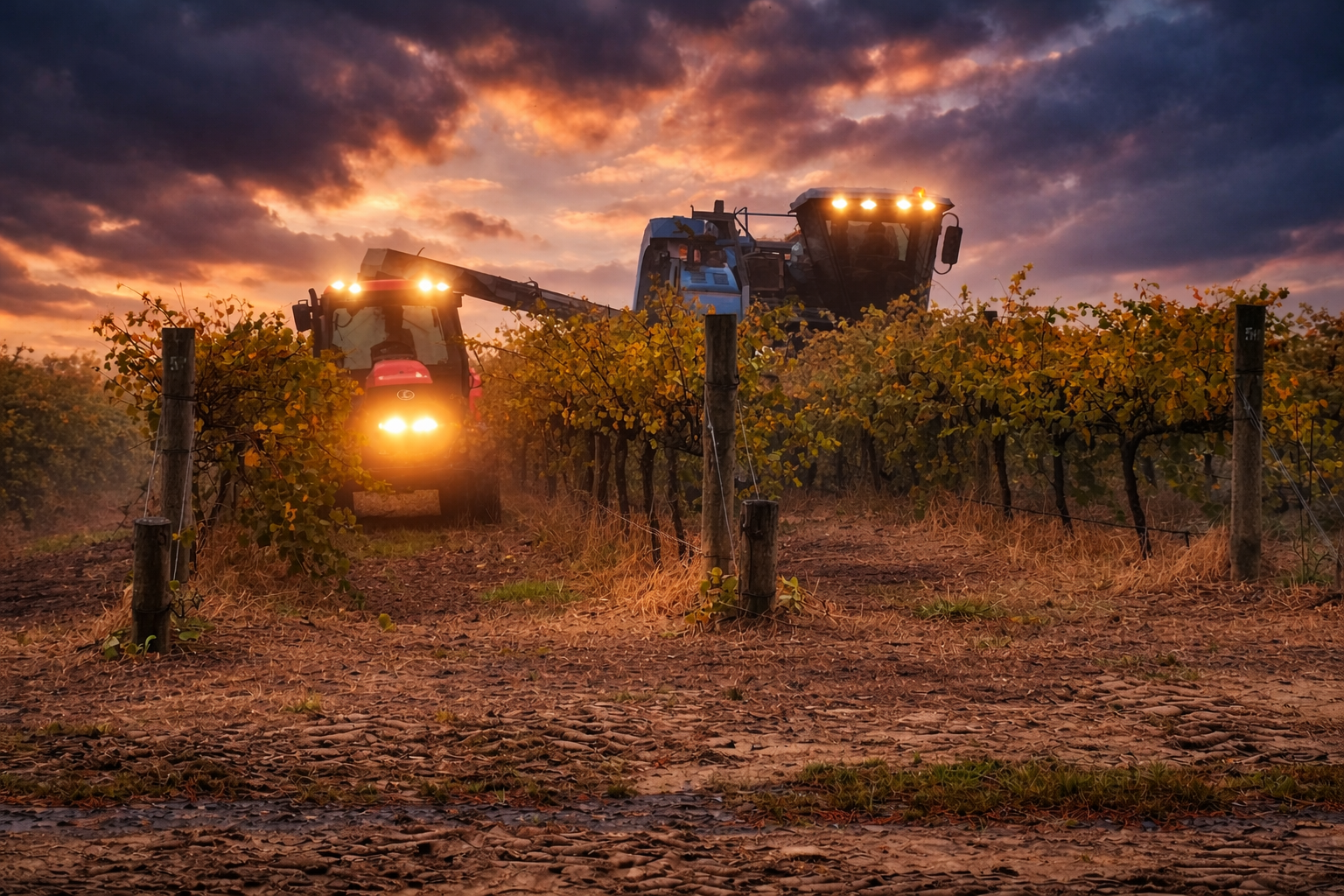
The combination of warm temperatures and dry soils led to one of the earliest harvests in recent memory. Many wineries operated at full capacity from early February through to mid-March as fruit ripened quickly across the region. Almost all vineyards were harvested within a six-week period. Shiraz at the McLaren Vale Visitors Centre was picked two weeks earlier than the previous season, while the Shiraz block at the CropWatch Kuitpo site recorded its earliest harvest on record.
Yields varied between varieties. Grenache handled the dry conditions particularly well, producing average to above-average crops with excellent fruit quality. Shiraz yields were generally average, reflecting the variety's strong drought tolerance. Cabernet Sauvignon was more affected by the dry conditions, with yields below average in many vineyards.
What about the financial side of things? 36,104 tonnes in McLaren Vale (a 28% increase from 2024, and 16% above the 5-year average). Total Value to the region estimated at $58 million (a 25% increase from 2024).
One of the lasting impacts of the season came after harvest. With little autumn rainfall and limited water supplies, many vineyards lost leaves quickly once fruit was picked. Post-harvest irrigation became especially important, helping vines replenish energy reserves for the following season. In many cases, growers were working with reduced water allocations and carefully managing every available megalitre.
While Vintage 2025 was challenging, it also highlighted the resilience of McLaren Vale's vineyards and growers. Early harvest dates, low disease pressure and strong fruit quality combined to produce a vintage that will be remembered for both its intensity and its ability to deliver excellent wines despite some of the driest conditions seen in decades.