Vintage 2026 Report

Long and slow ripening
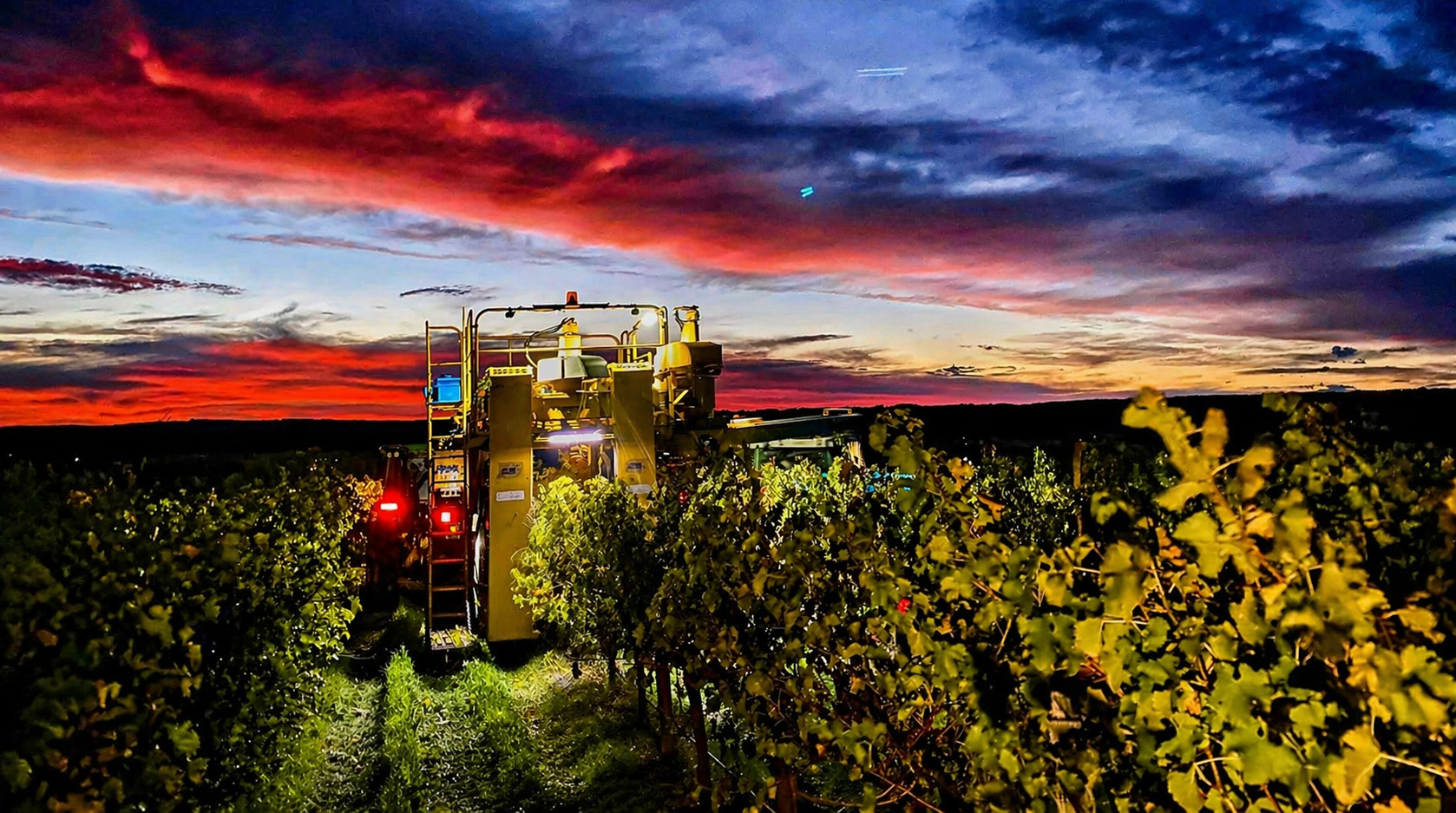
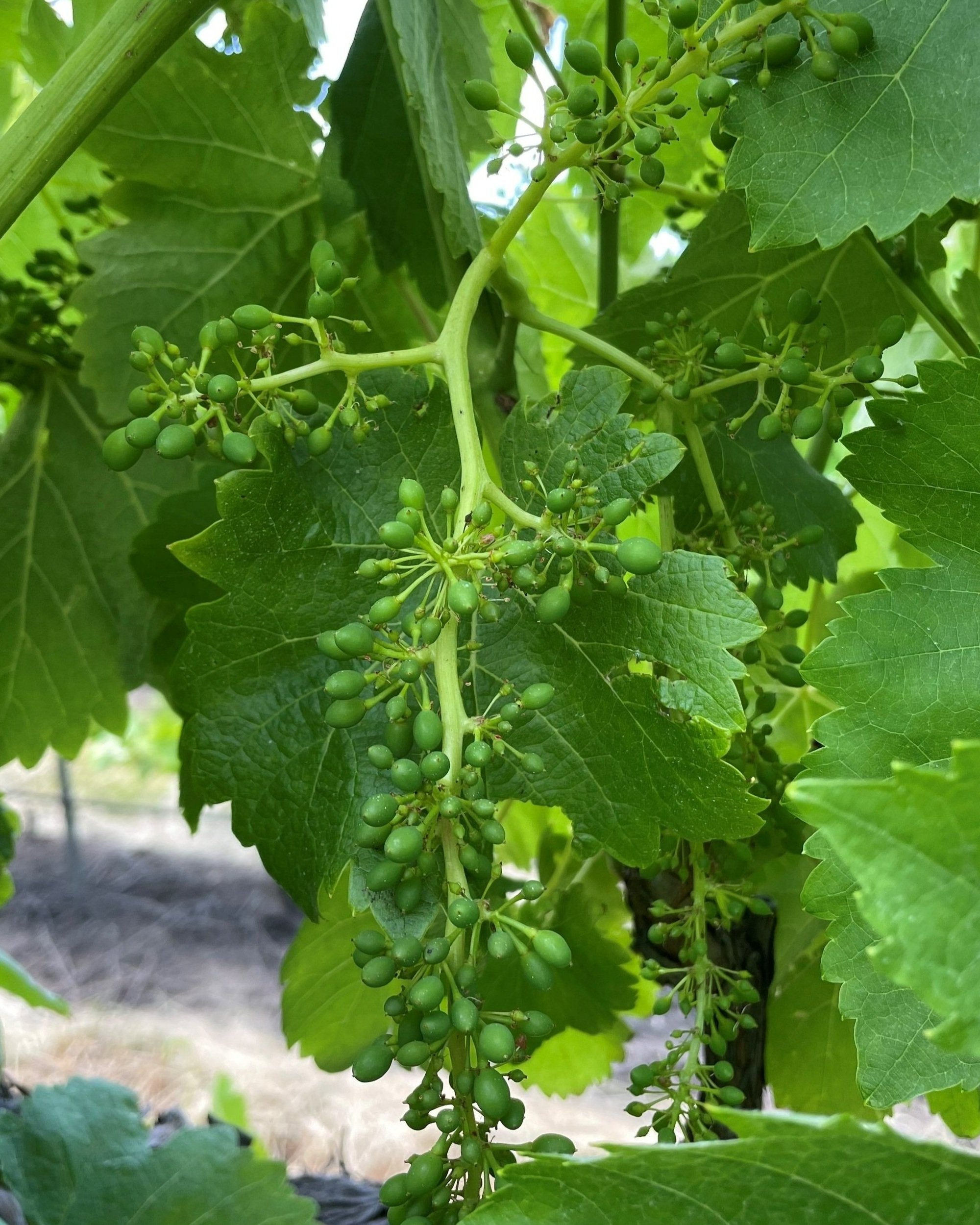
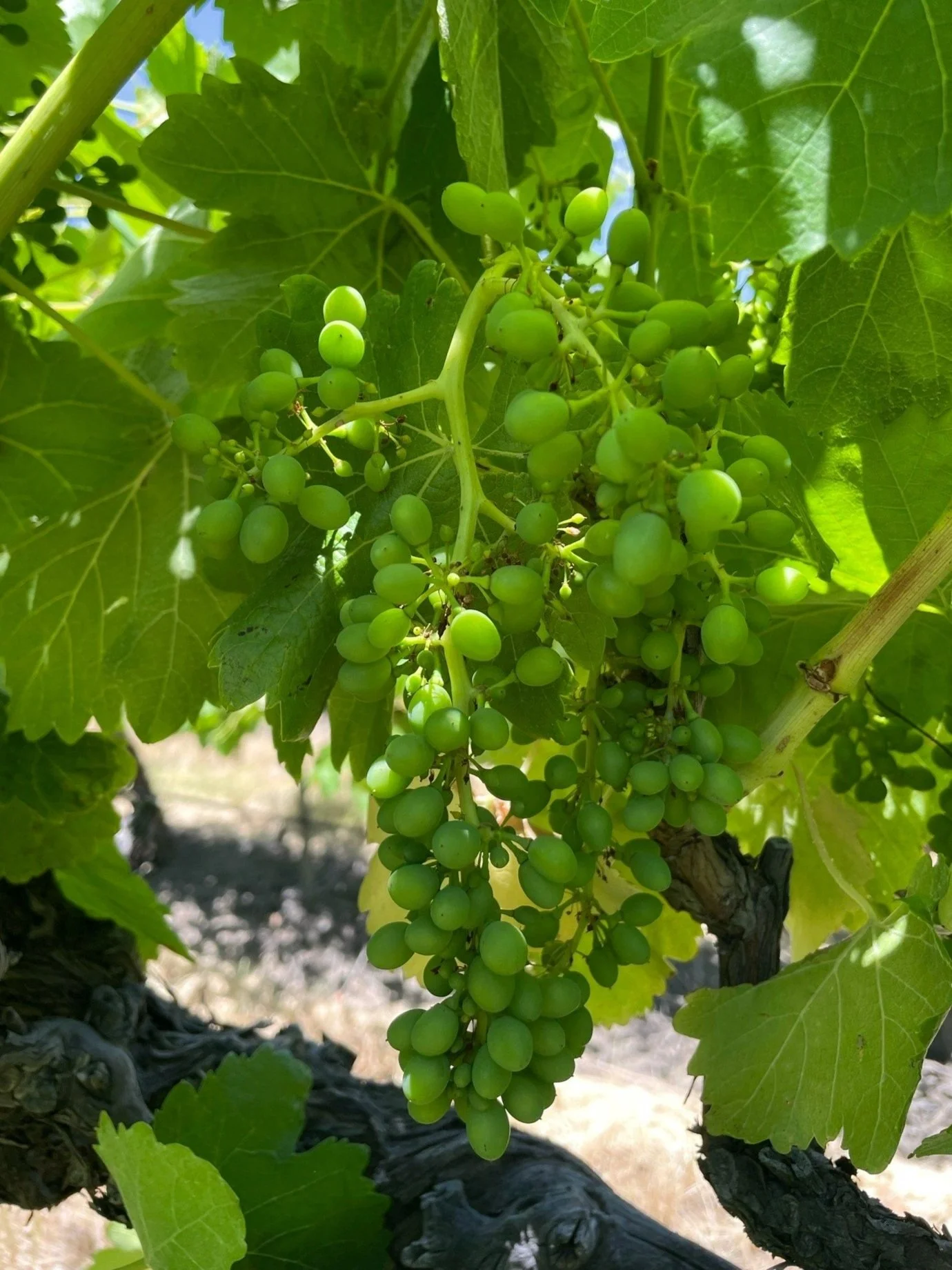
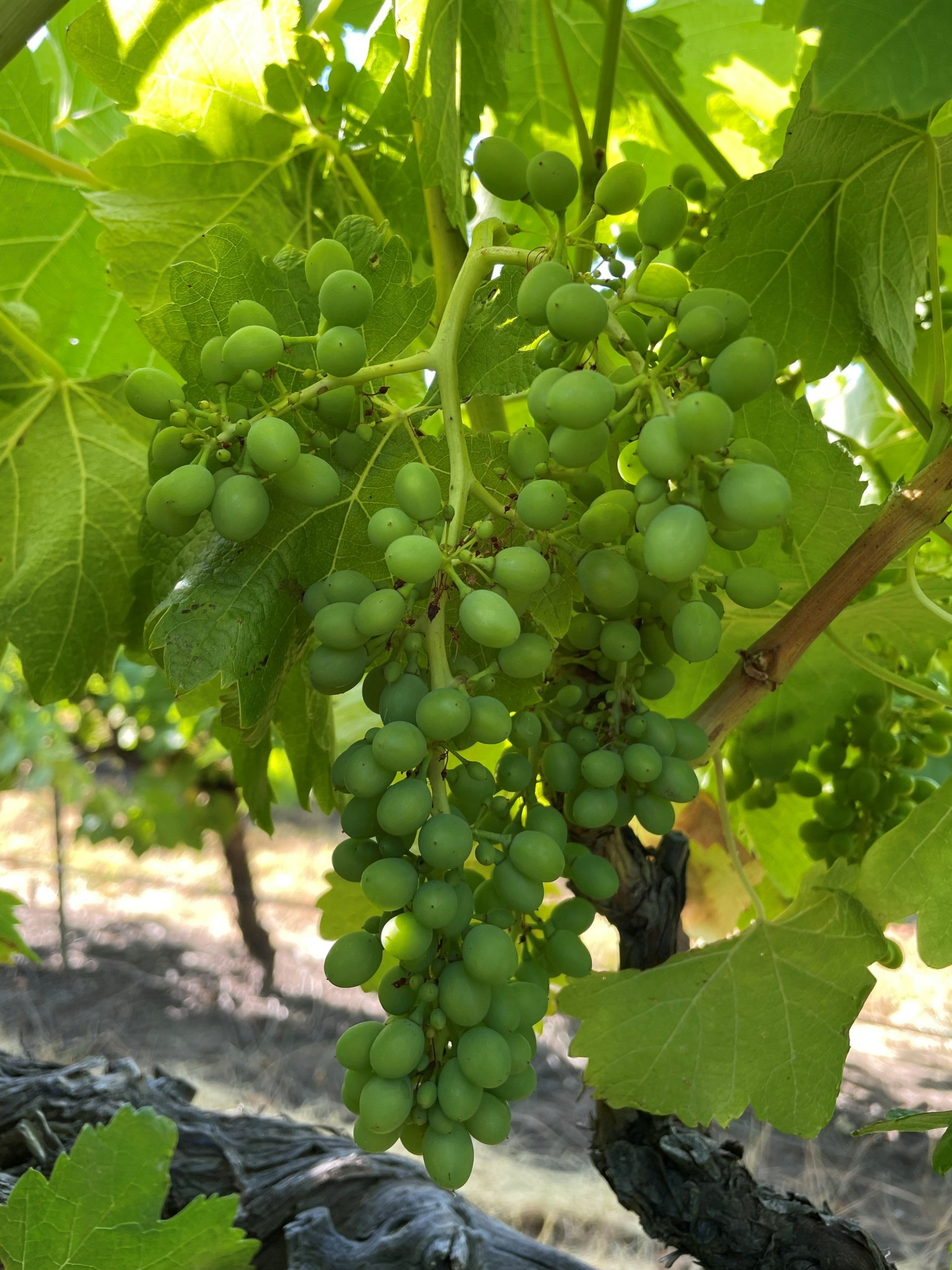
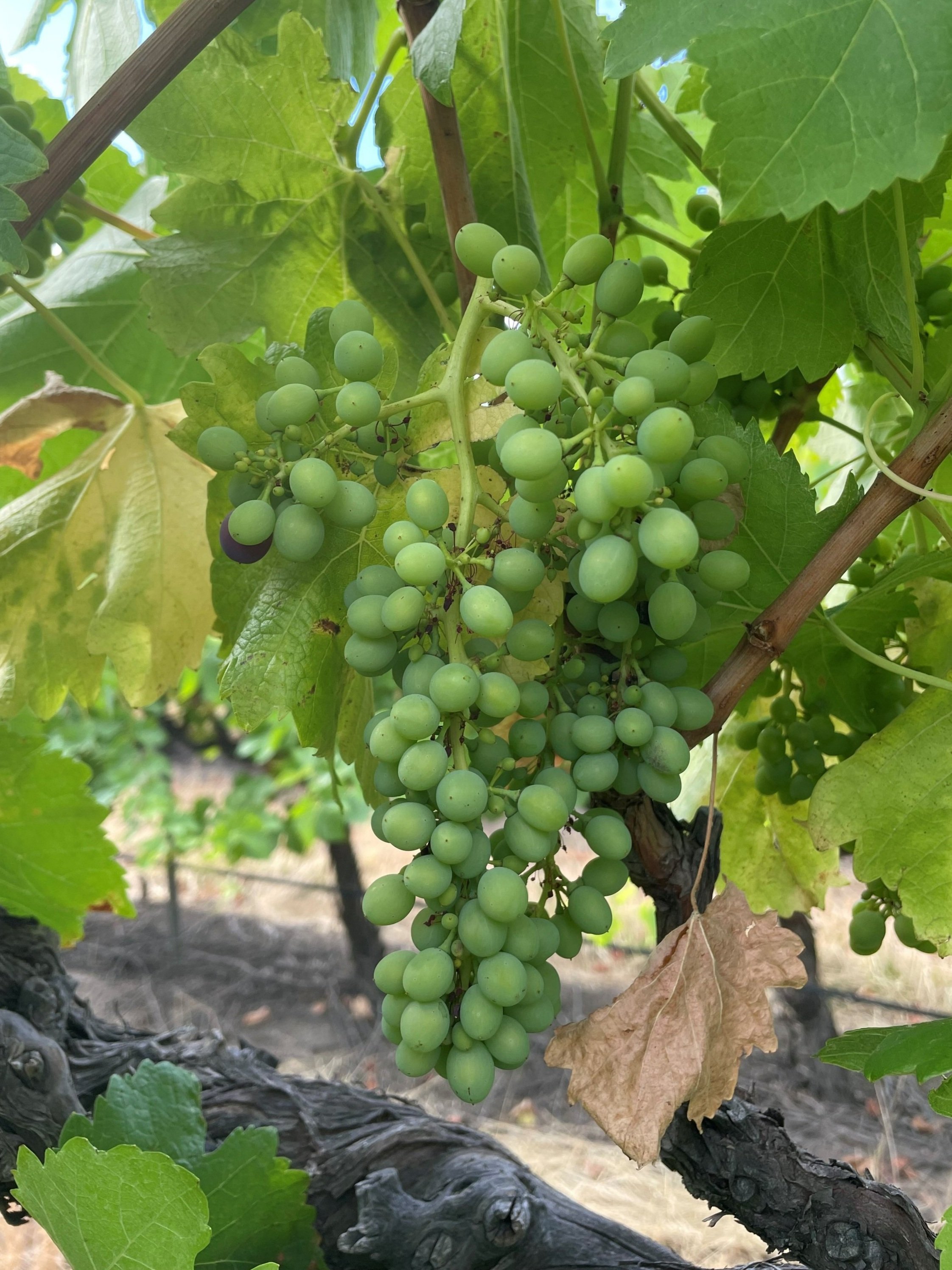
In McLaren Vale, Vintage 2026 was a slower season from the very beginning. A cool spring delayed flowering and early vine growth, pushing the whole growing season back compared with the early and fast-paced Vintage 2025.
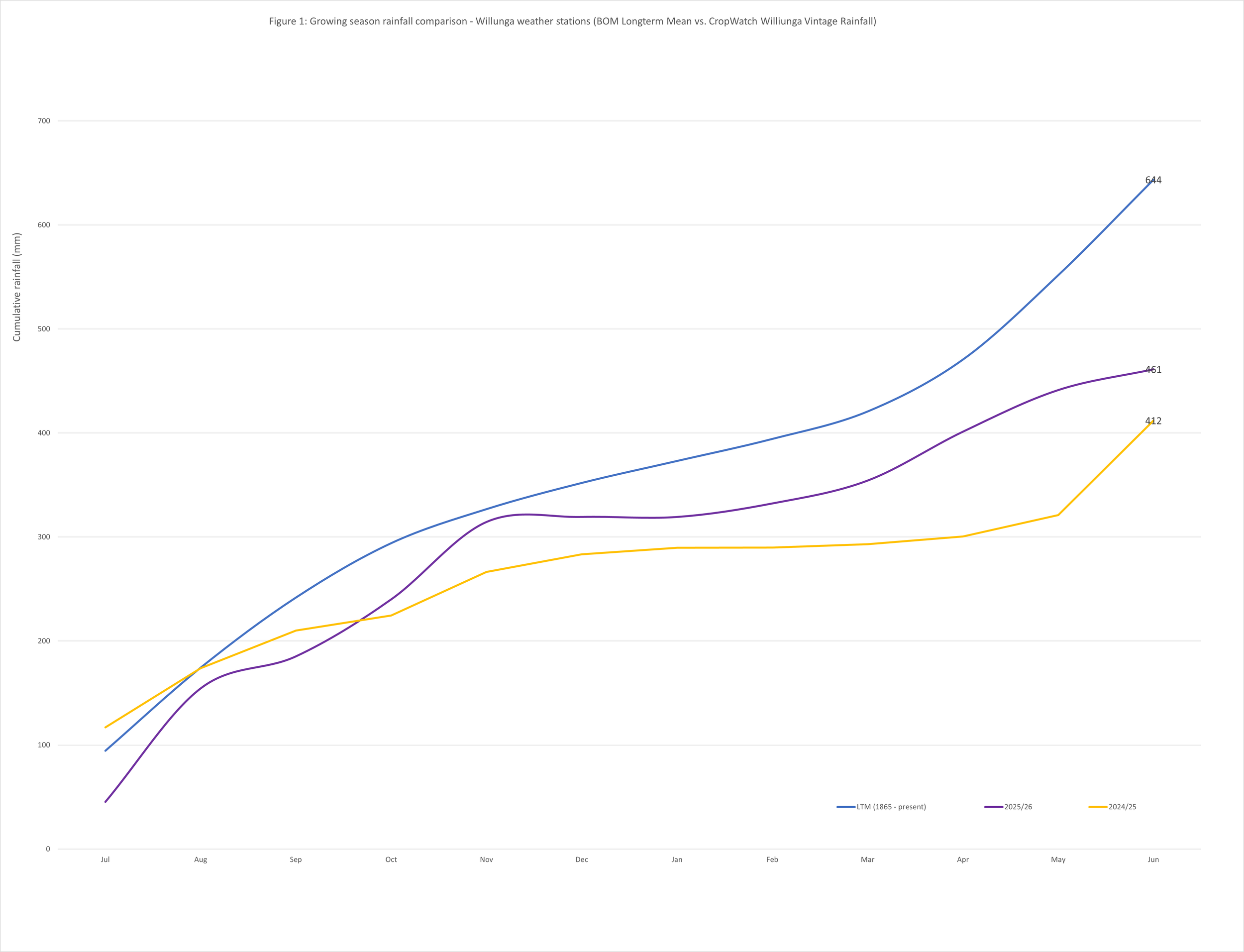
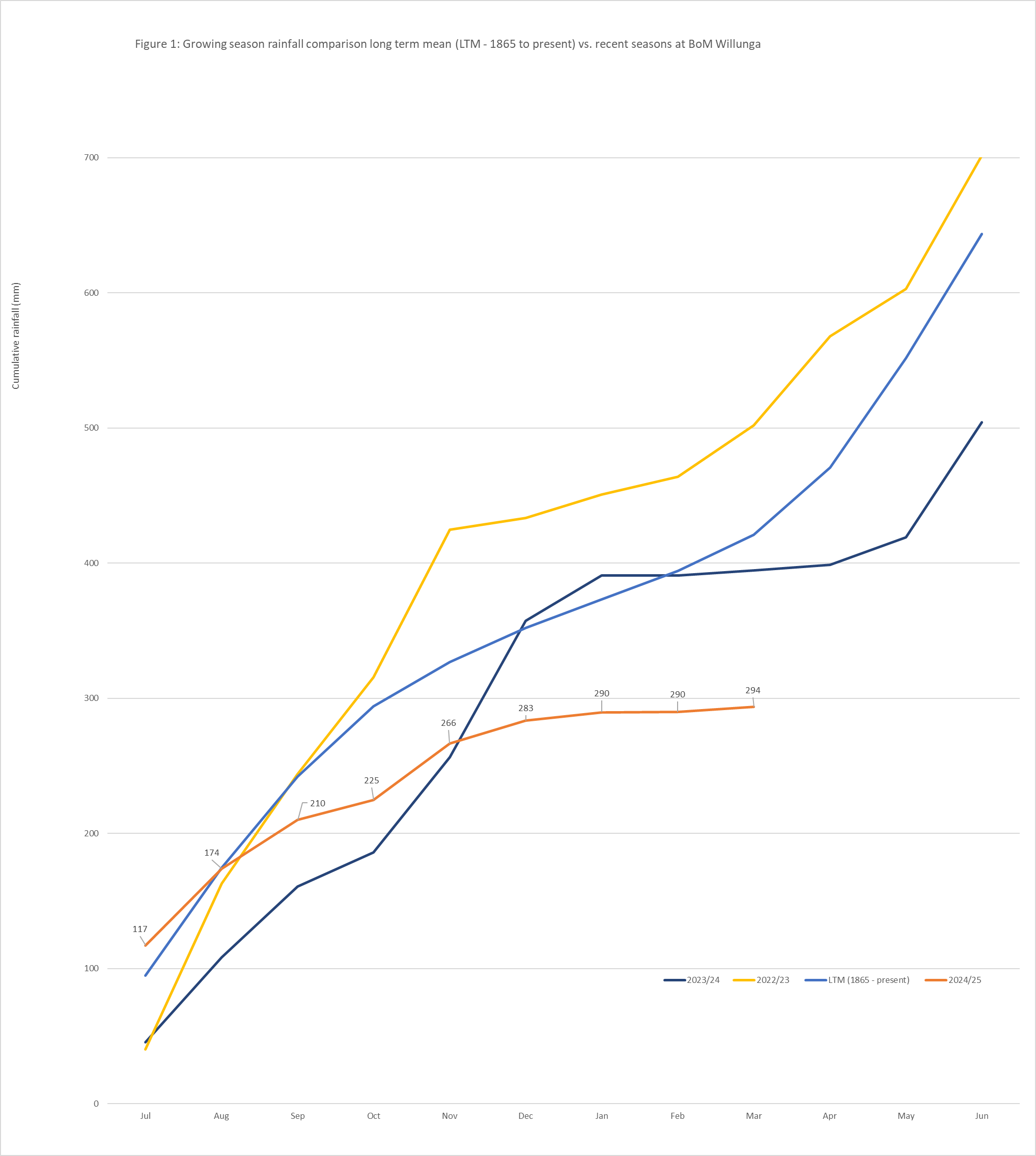
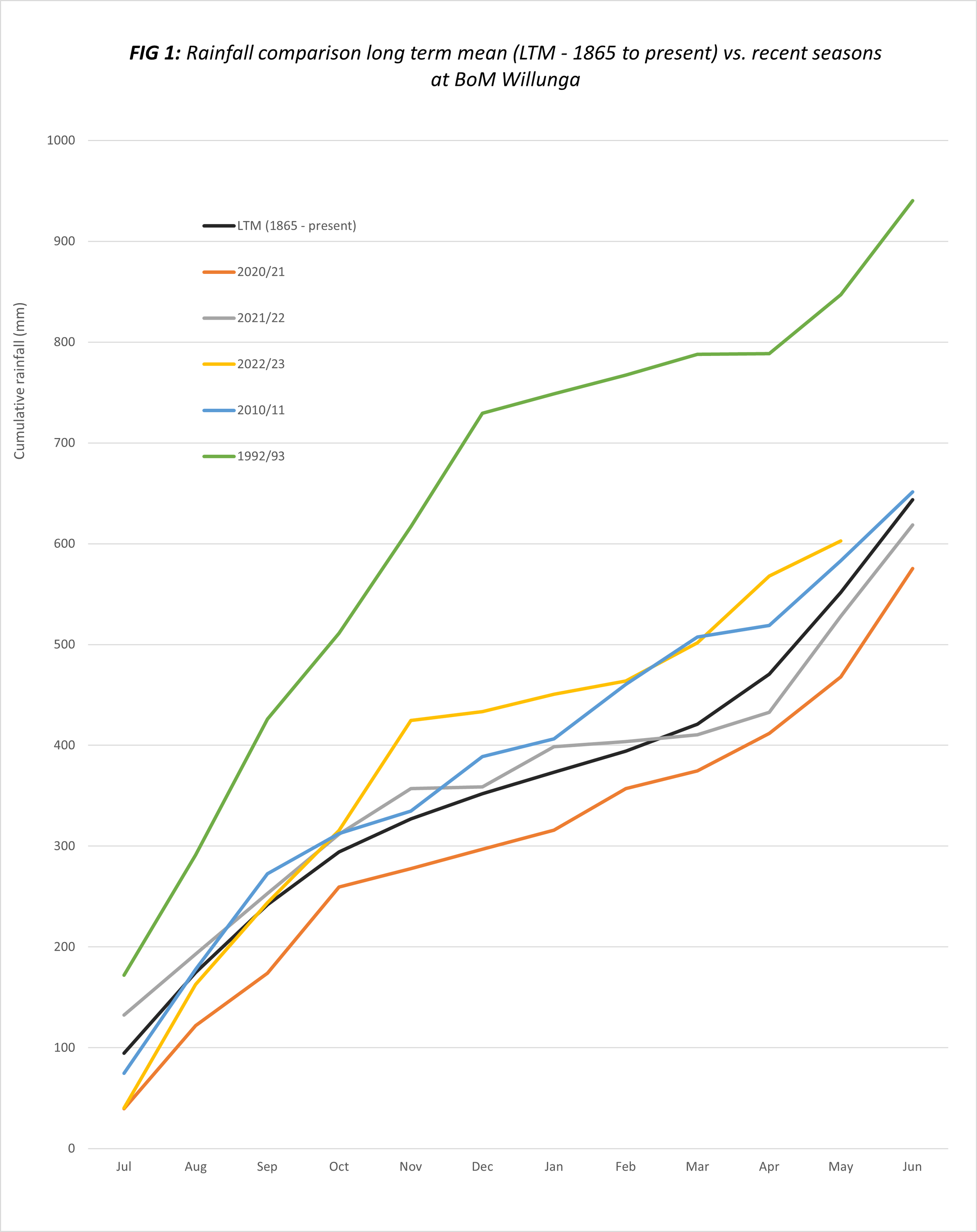
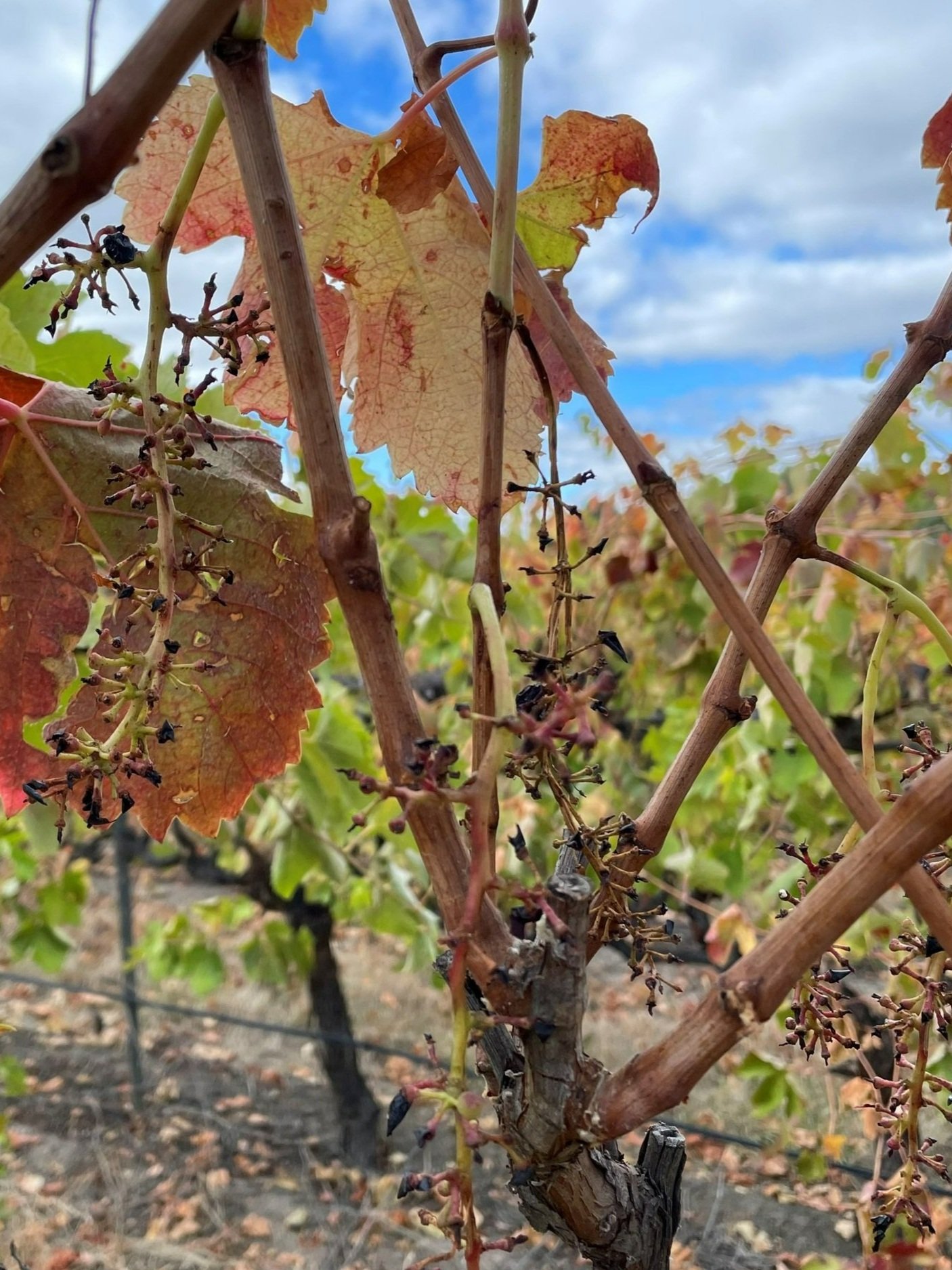
Rainfall was below average for much of the season (Fig 1). While this meant growers relied more on irrigation, it also helped keep disease pressure low. Late summer storms brought some humidity and small pockets of bunch rot in susceptible vineyards, but disease levels remained relatively low across the region.

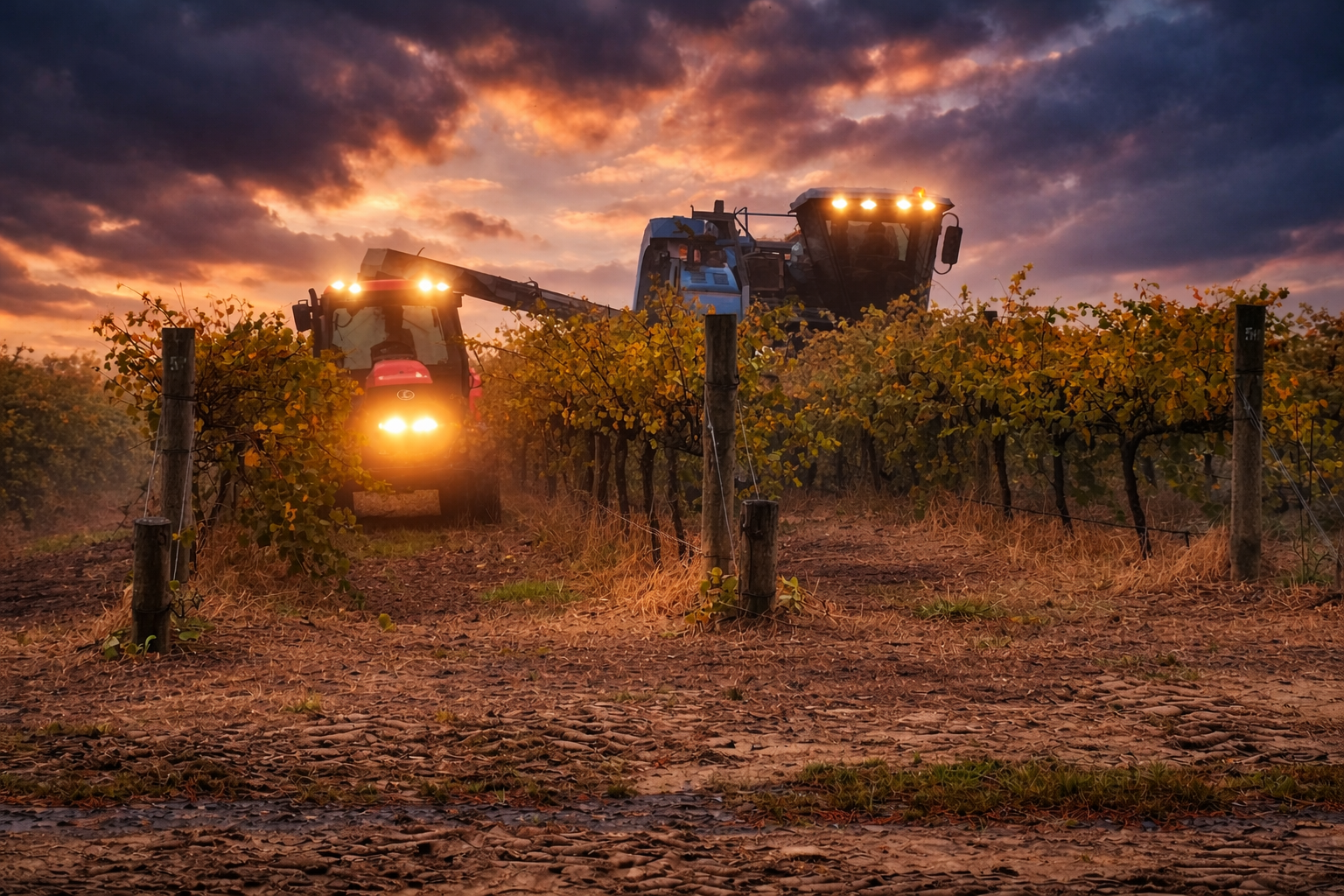
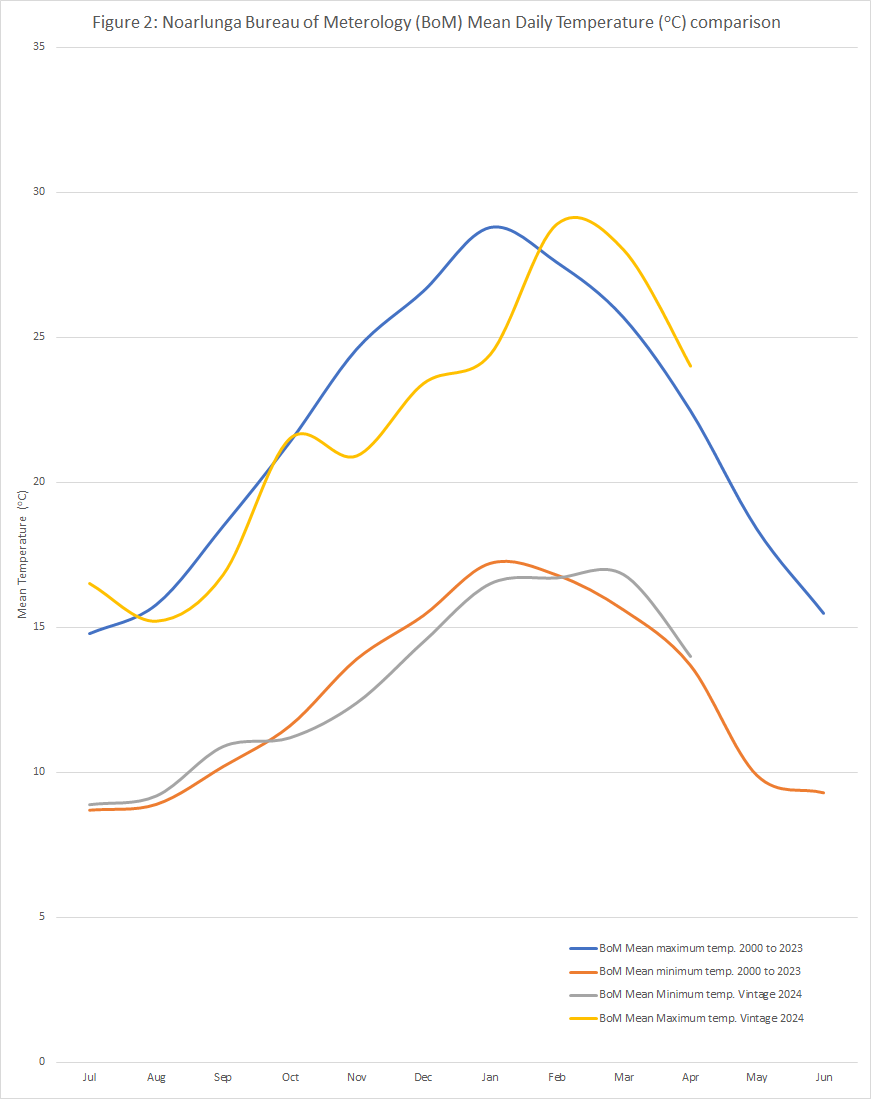
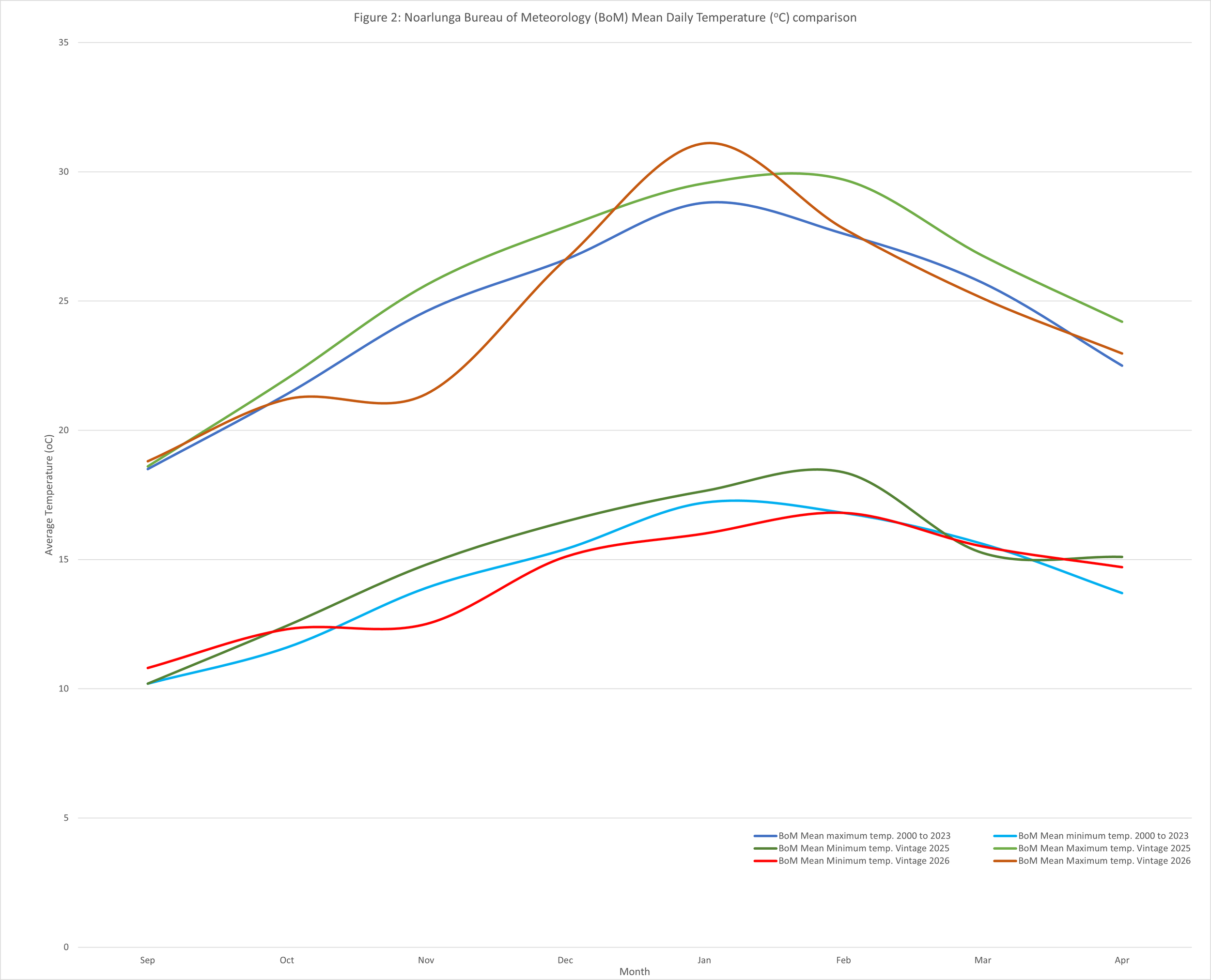
As summer arrived, conditions were generally warm. The vines ripened steadily rather than quickly, giving grapes more time to develop flavour. Cool nights through February and March helped retain freshness and natural acidity, while harvest stretched later into autumn than usual (Fig 2).

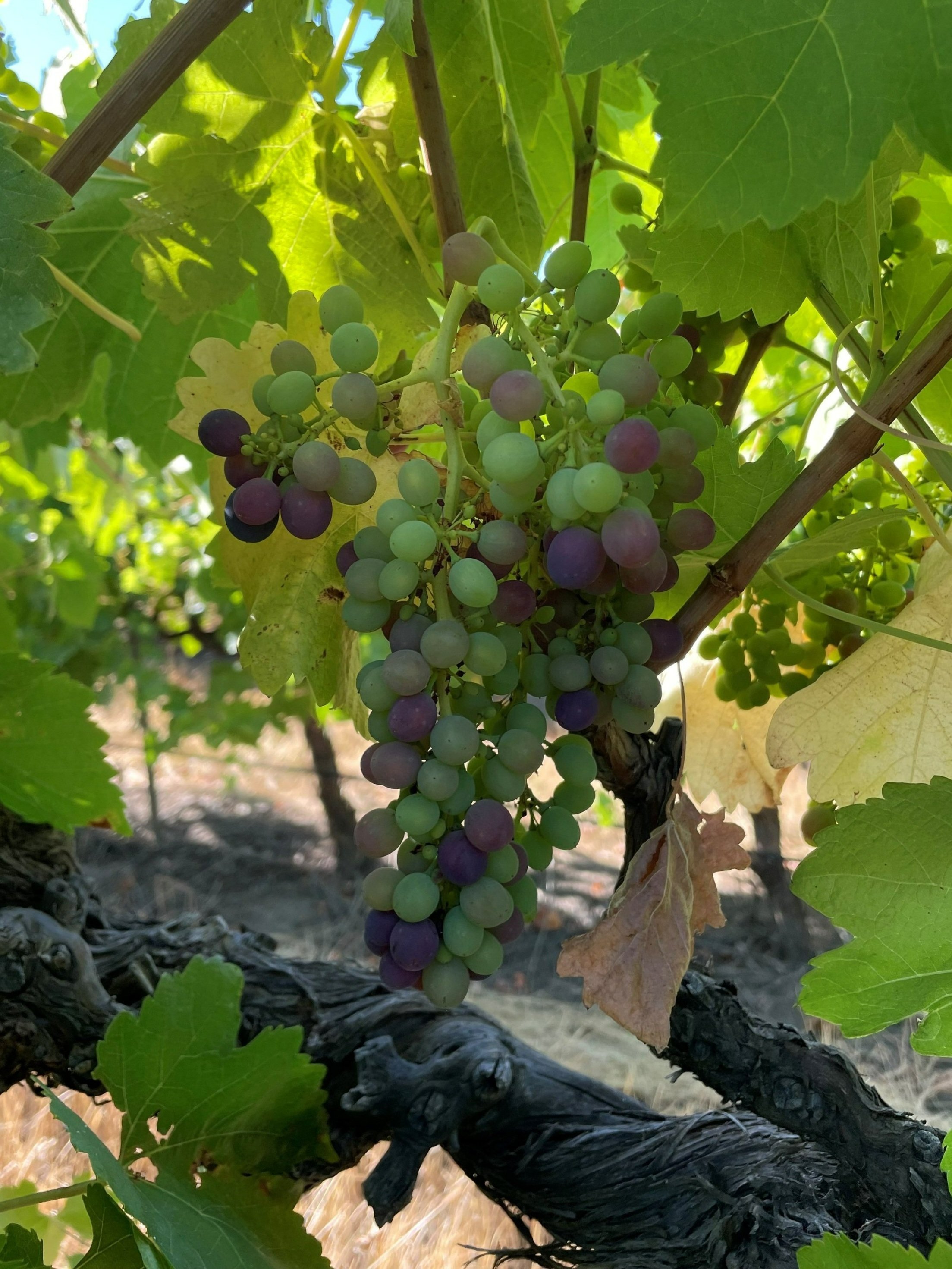
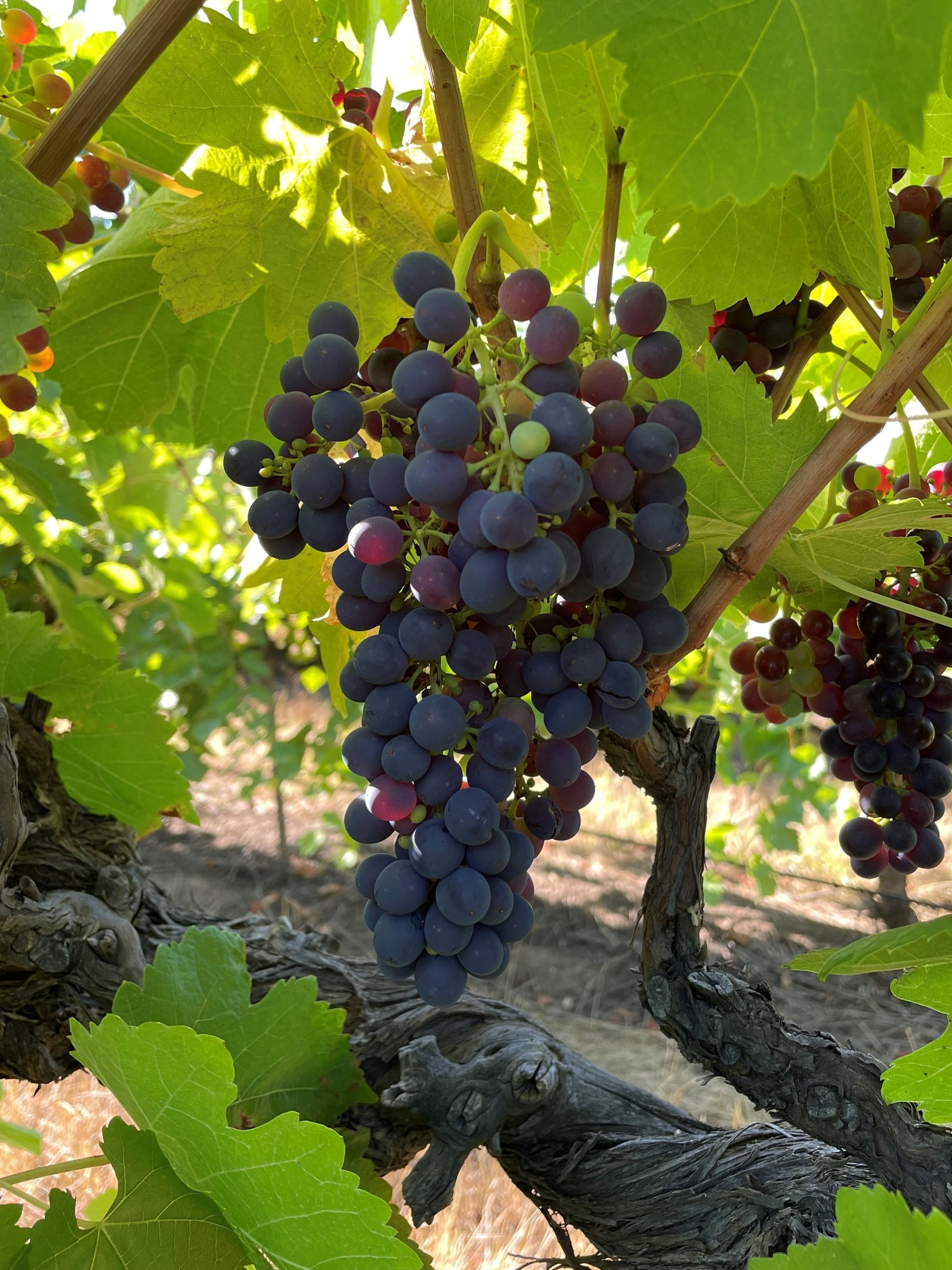
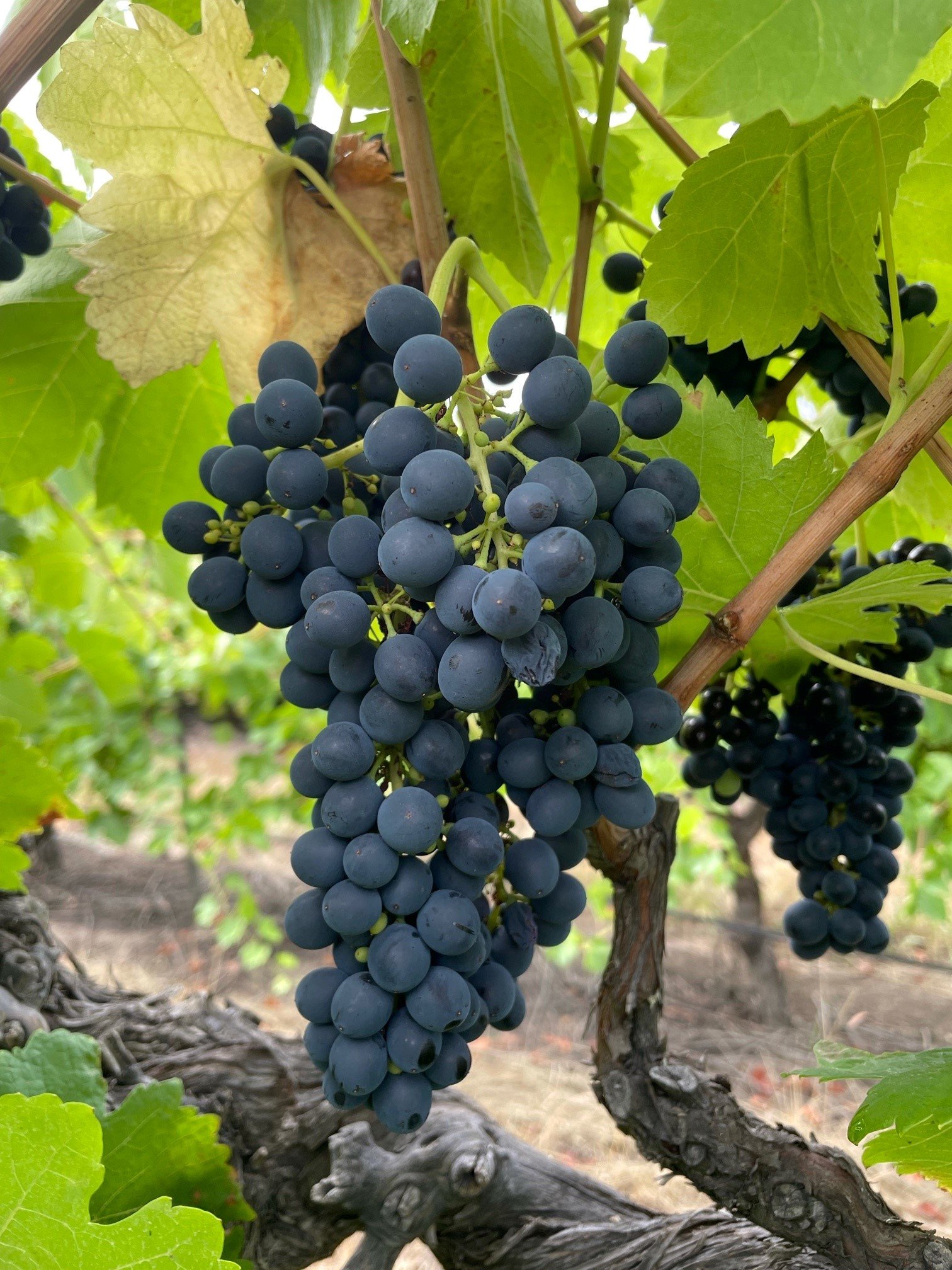
One of the biggest talking points of the season was how slowly ripening progressed. Veraison occurred much later than the previous year in many vineyards, and some blocks were harvested weeks later than normal. The extended season gave growers more flexibility when deciding the best time to pick.
Grenache and Shiraz performed particularly well, producing fruit with strong flavour and balance. Across the region, growers reported good colour, flavour development and varietal character.

Vintage 2026 also highlighted the importance of adapting to changing conditions. Efficient irrigation, careful canopy management and close monitoring of weather conditions continue to play an important role in vineyard management across McLaren Vale.

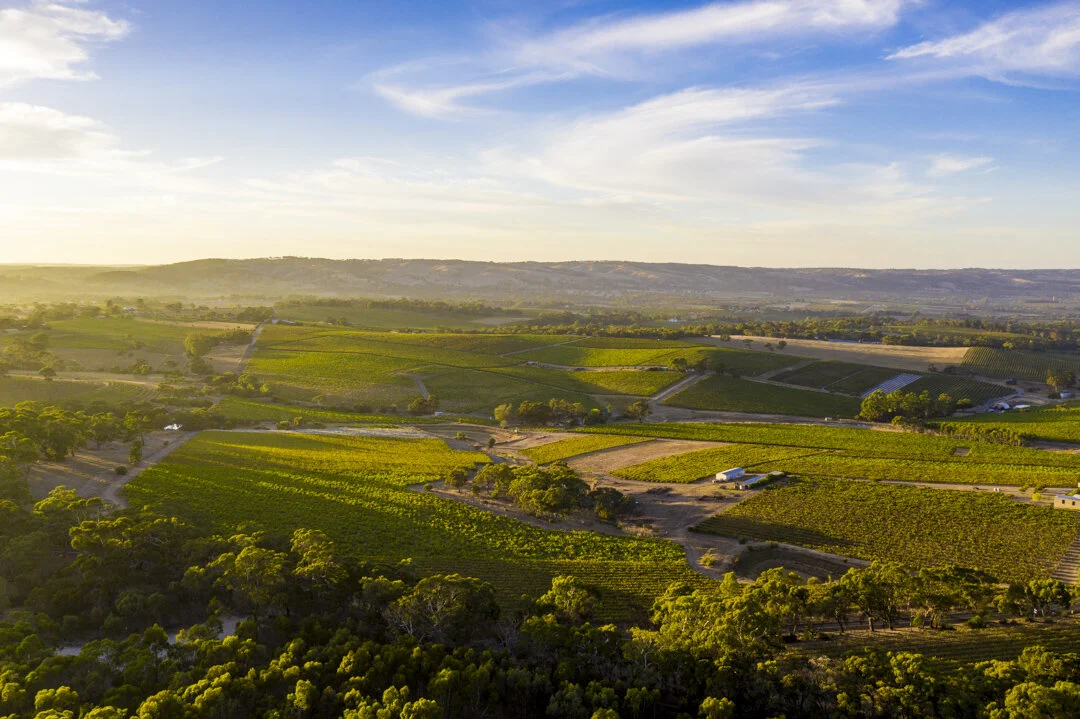
While the season arrived later than expected, it rewarded patience. Early signs suggest Vintage 2026 will be remembered for balanced wines, vibrant flavours and a strong sense of place.

We look forward to tasting the results.
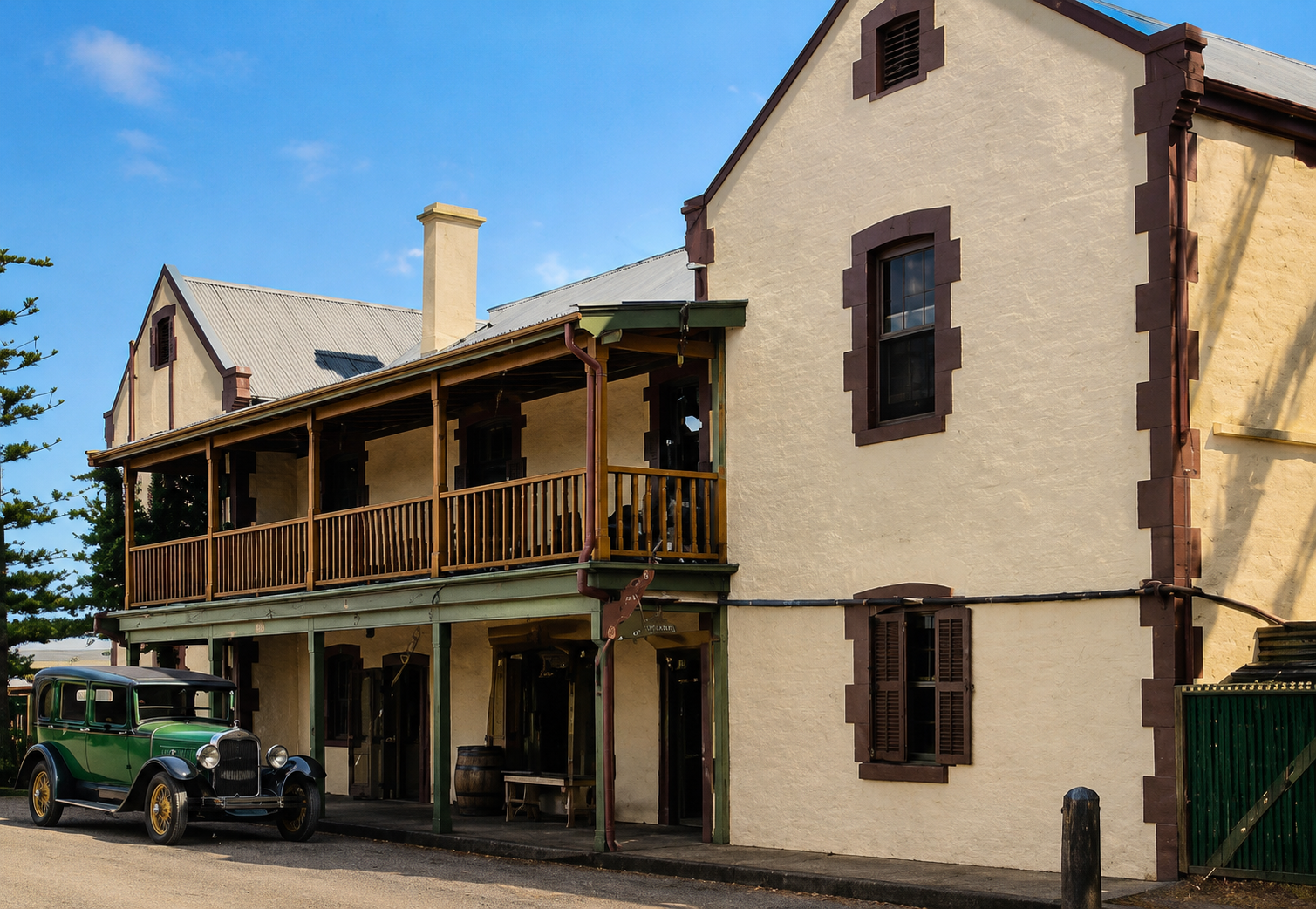
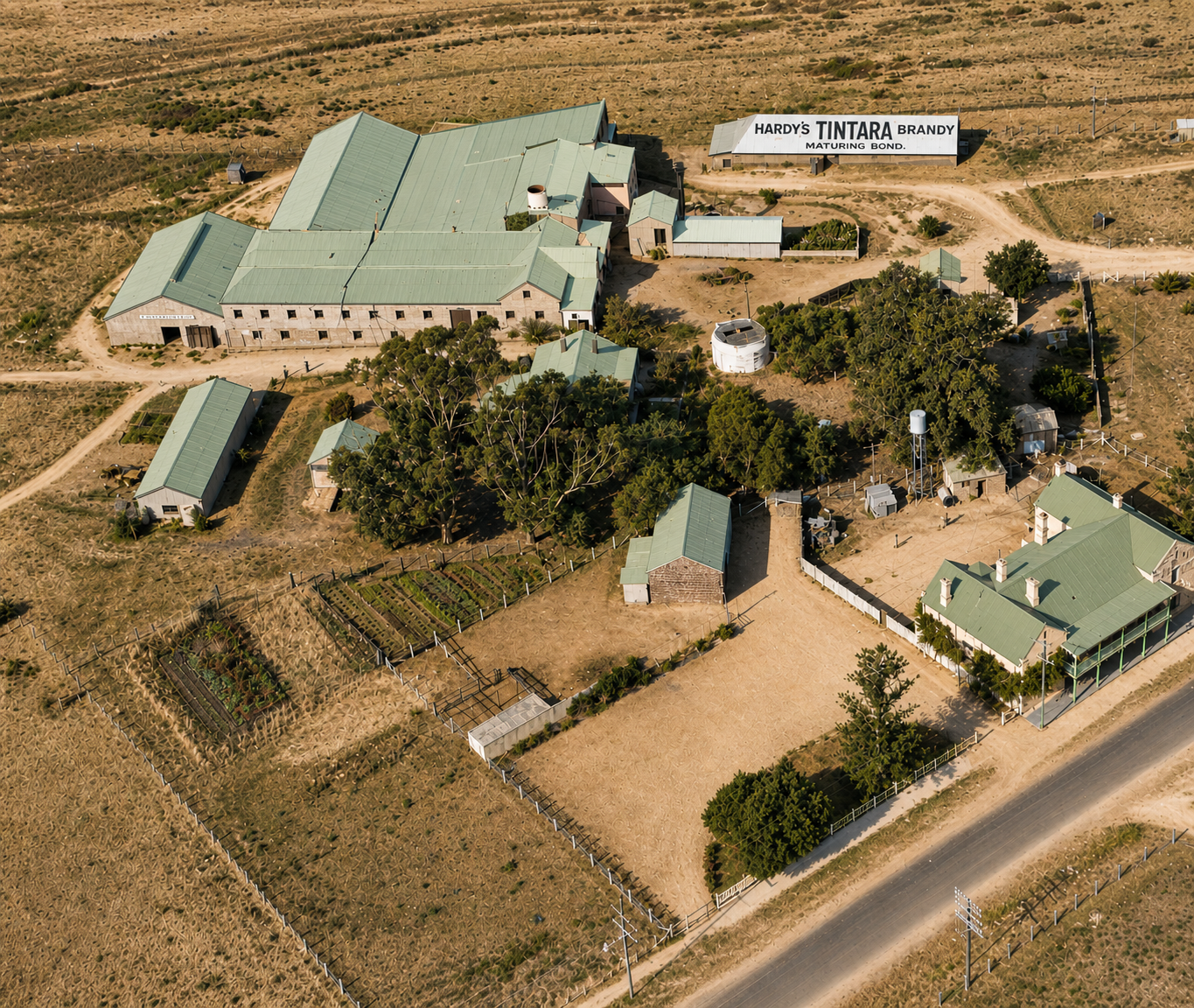
Tatachilla - History of McLaren Vale Wine - Part 10

Tatachilla and Stephen Smith & Co: The Rise of a McLaren Vale Giant

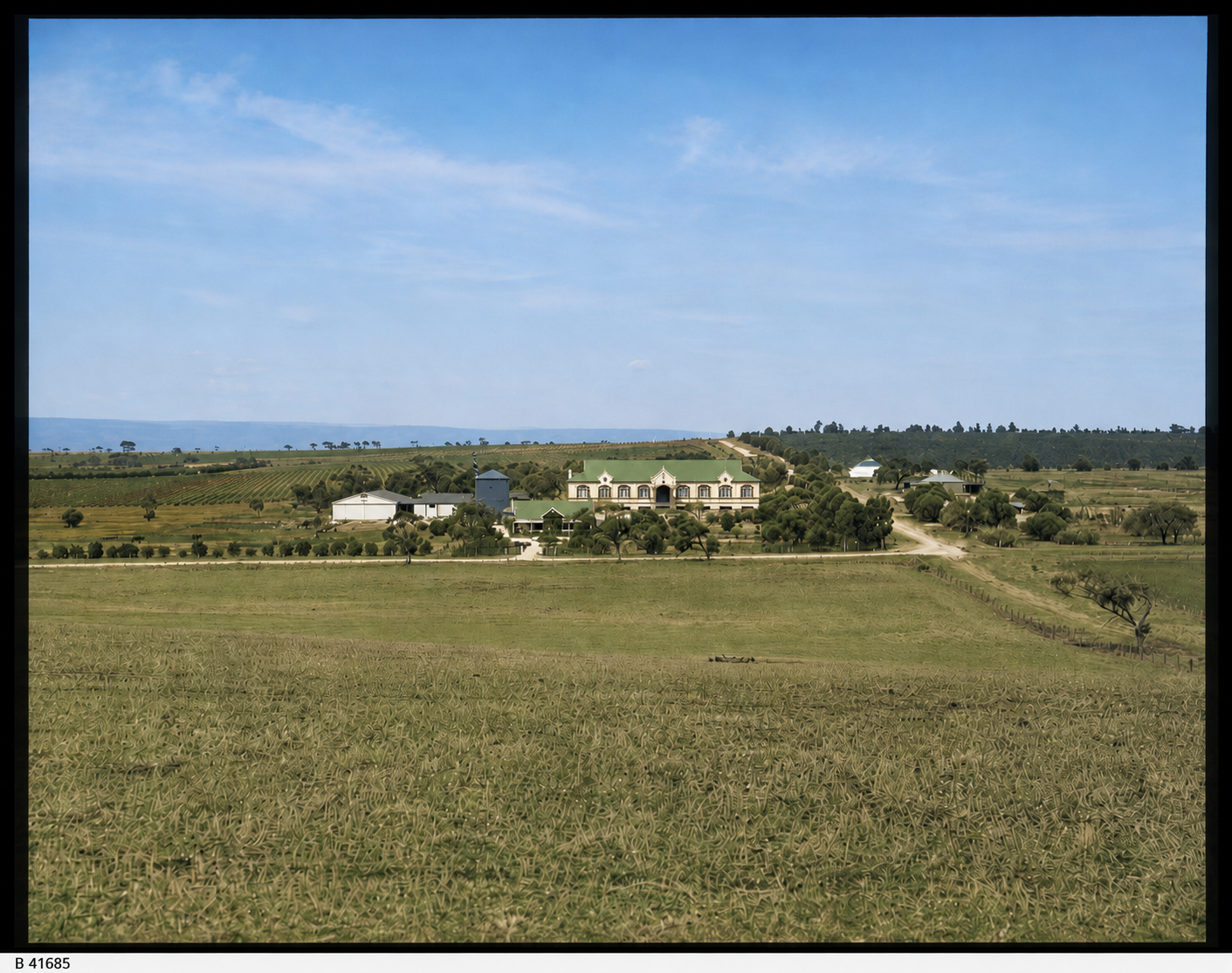
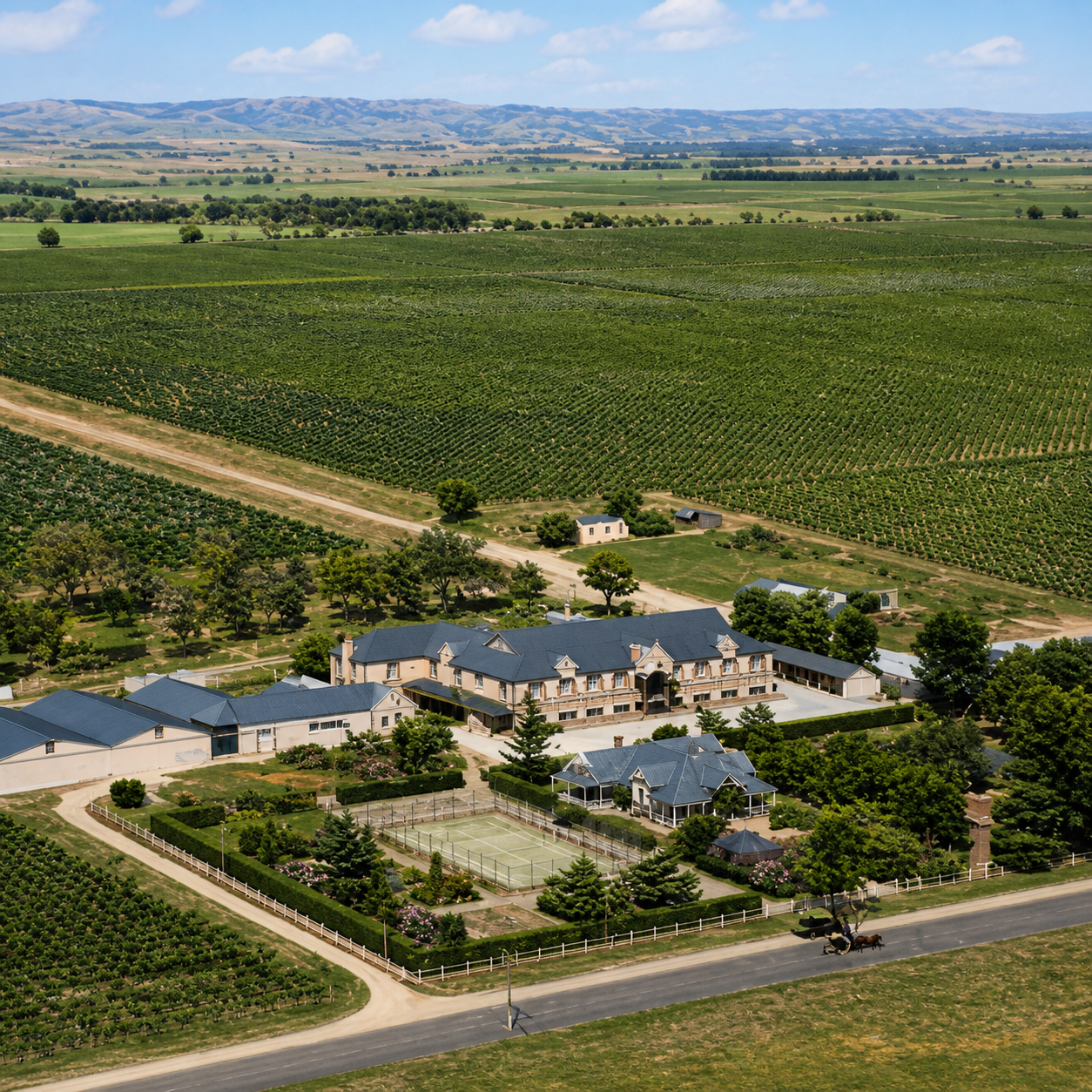
Few wineries shaped the early identity of McLaren Vale like Tatachilla. Long before cellar doors and regional tourism, Tatachilla was one of Australia’s great industrial wine estates — a vast vineyard and export winery built to supply the British market on an enormous scale.

Its story reflects the transformation of South Australian wine from colonial agriculture into an international export industry.

The Tatachilla property was originally established in the 1860s by John George Kelly, son of Alexander Charles Kelly, one of the pioneers of Australian viticulture and author of some of the colony’s earliest winemaking texts. By the late nineteenth century, Tatachilla had become one of the largest vineyard holdings in McLaren Vale. Contemporary records describe the estate as covering around 2,000 acres, with more than 300 acres planted to vines. The vineyard was dominated by Mataro, alongside Shiraz, Carignan and small amounts of Cabernet Sauvignon.

At first, much of the fruit was sold to other wineries, particularly Hardy’s Tintara, where Kelly also worked as a manager. But the wine boom of the late nineteenth century encouraged independent production. In 1903 Kelly constructed his own corrugated iron winery and expanded operations rapidly. A homestead followed in 1904, with further additions including distillation facilities, warehouses and spirit stores.

The next stage of Tatachilla’s history began in 1911 when the estate was sold to the London wine merchants Stephen Smith & Co. This was a major turning point, both for Tatachilla and for McLaren Vale itself. Stephen Smith & Co were deeply involved in the British wine trade and had already been purchasing wine from the district for export. They recognised the potential of McLaren Vale’s rich red wines, particularly the Shiraz and Mataro blends that suited British tastes of the era.

Under Stephen Smith & Co, Tatachilla became a true export powerhouse. In 1913 the company constructed the imposing limestone and brick winery buildings that still dominate the site today. The scale of the complex reflected the confidence of the era. These were not modest colonial sheds, but industrial wine buildings designed to process huge quantities of fruit for shipment overseas.

The winery produced wine primarily for the English market under the famous “Keystone Burgundy” label. At the time, “Australian Burgundy” was enormously popular in Britain. These wines were typically robust Shiraz-Mataro blends marketed as nutritious, strengthening table wines. Promotional material highlighted the iron-rich nature of McLaren Vale reds and presented Keystone Burgundy as both wholesome and fashionable. By 1929 Stephen Smith & Co were reportedly regarded as the largest shippers of “burgundy” from Australia.

Tatachilla became emblematic of an era when South Australian wineries focused heavily on fortified wines and bulk export markets. Rather than producing small quantities of estate-labelled table wine, wineries like Tatachilla were effectively industrial agricultural enterprises tied into the British Empire’s trade networks.

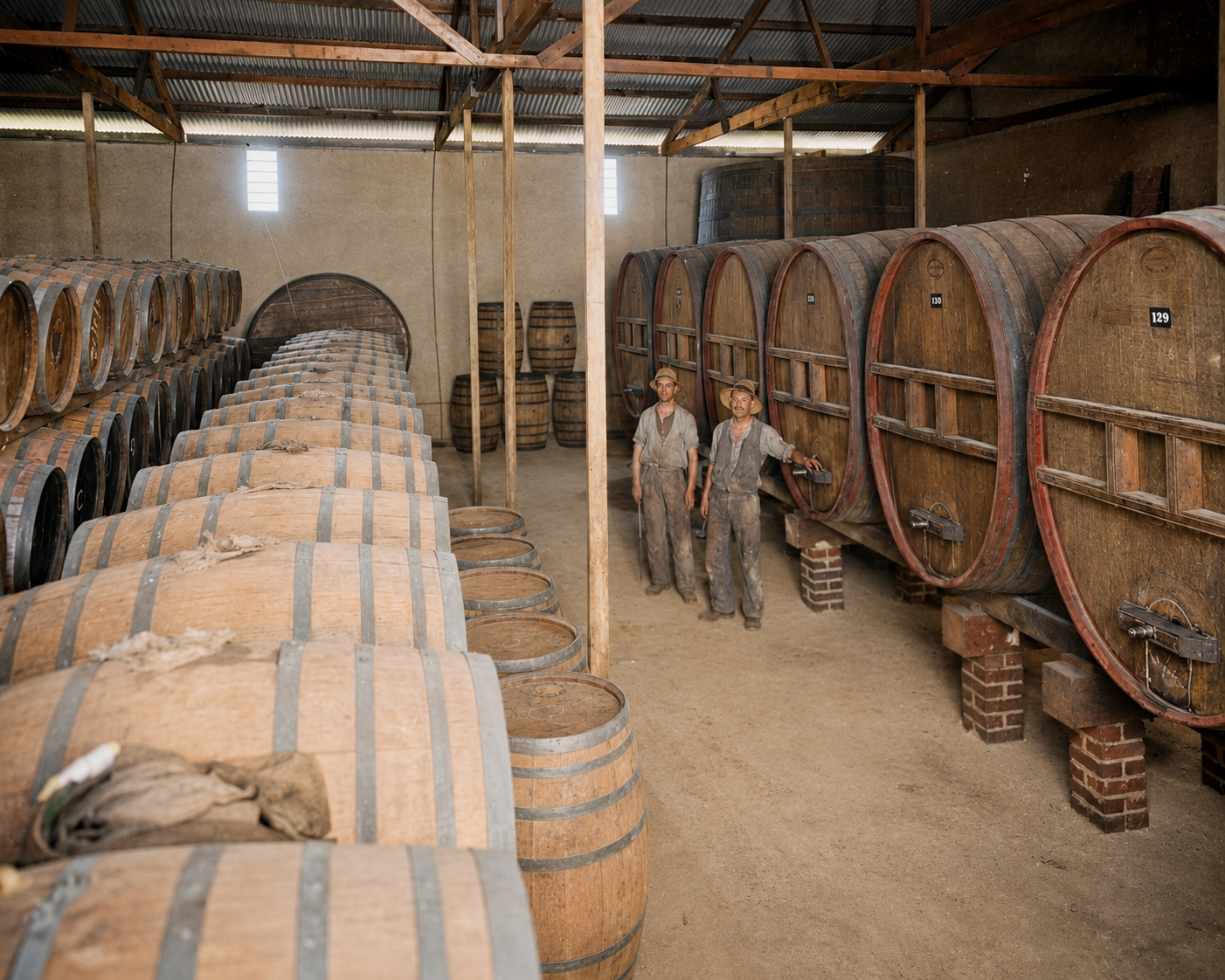
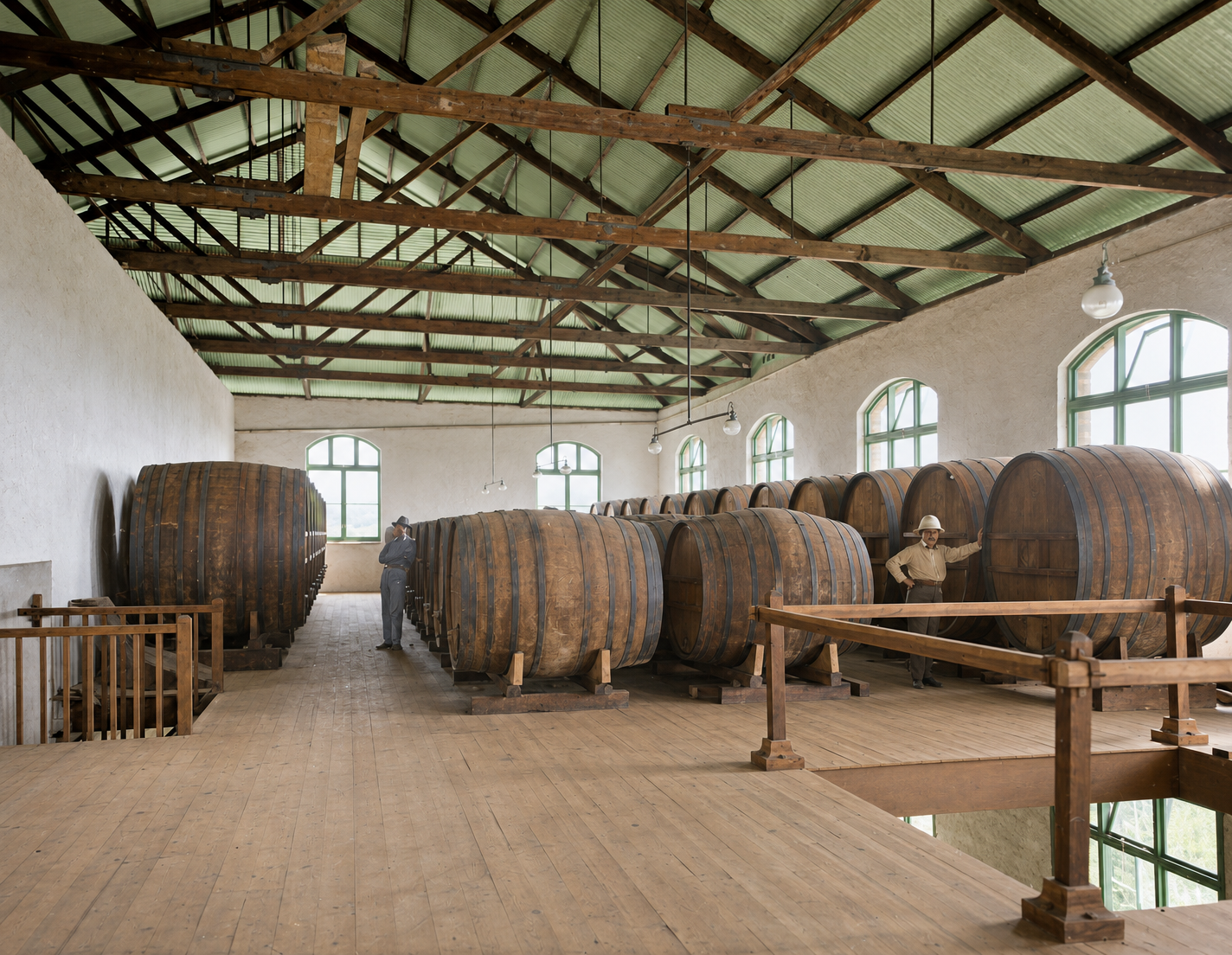
The architecture of the site reflected this ambition. Massive barrel halls, fermentation rooms, storage sheds and worker accommodation transformed the property into one of the most significant winery complexes in McLaren Vale. Historic photographs show endless rows of giant timber vats and barrels housed beneath lofty timber trusses and corrugated iron roofs — spaces designed for production at scale rather than tourism.

Stephen Smith & Co continued operating Tatachilla until 1962, when the Emu Wine Company acquired the holdings. However, the golden age of the great export burgundies was fading. Changing tastes, market pressures and the decline of fortified wine consumption reshaped the Australian wine industry. Winemaking at Tatachilla ceased in 1964.

In a twist, the site survived demolition. The Lutheran Church later acquired the buildings for use as a youth camp, preserving much of the historic winery infrastructure. Today the towering stone buildings remain among the most visually impressive reminders of McLaren Vale’s industrial wine heritage.

Modern Tatachilla wines emerged decades later through various revivals and ownership changes, but the historic significance of the original estate remains tied to the era of Stephen Smith & Co and the export trade that helped establish McLaren Vale on the world stage.

Tintara Winery - History of McLaren Vale Part 8

Hardys Tintara and the Rise of McLaren Vale Wine

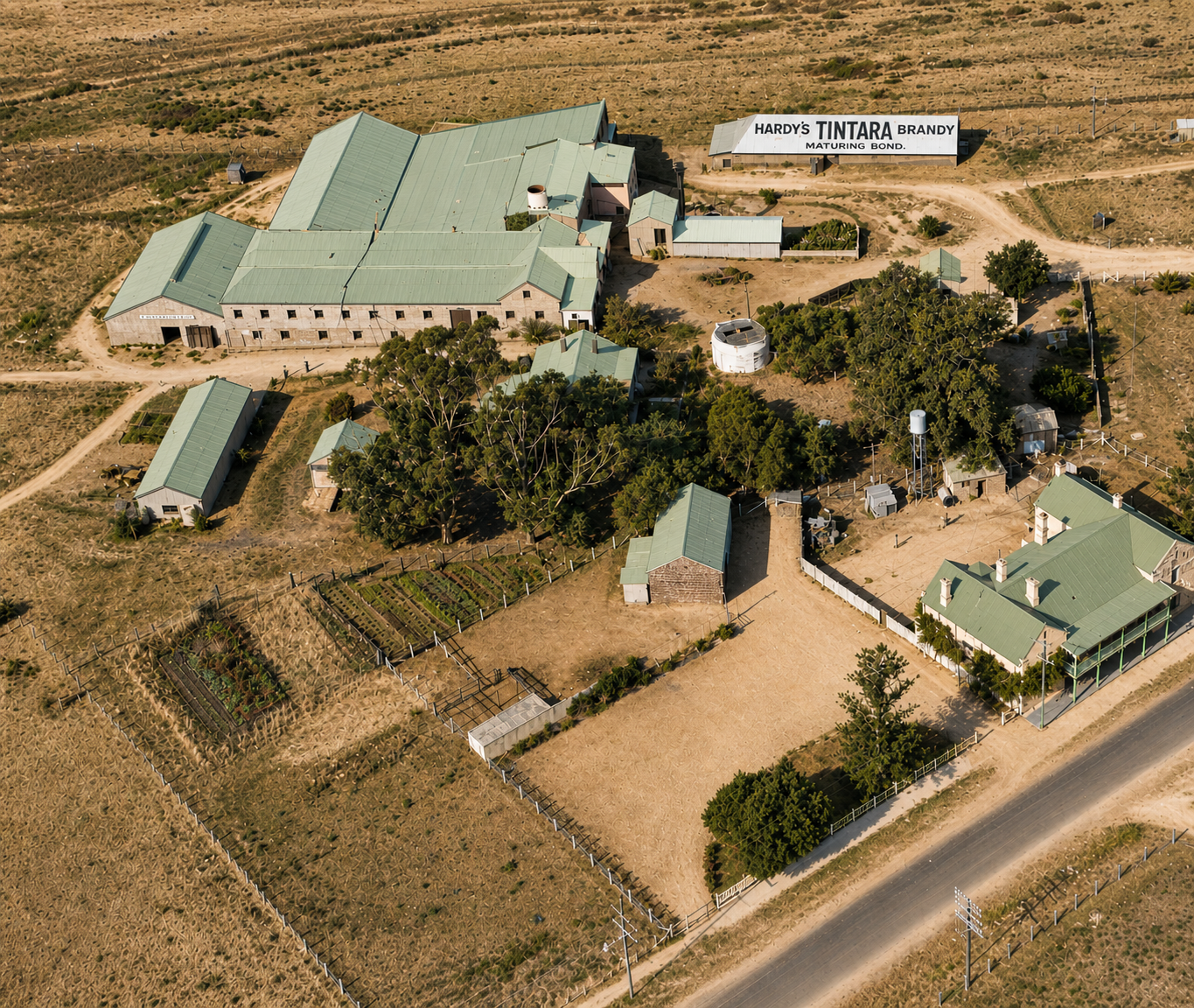
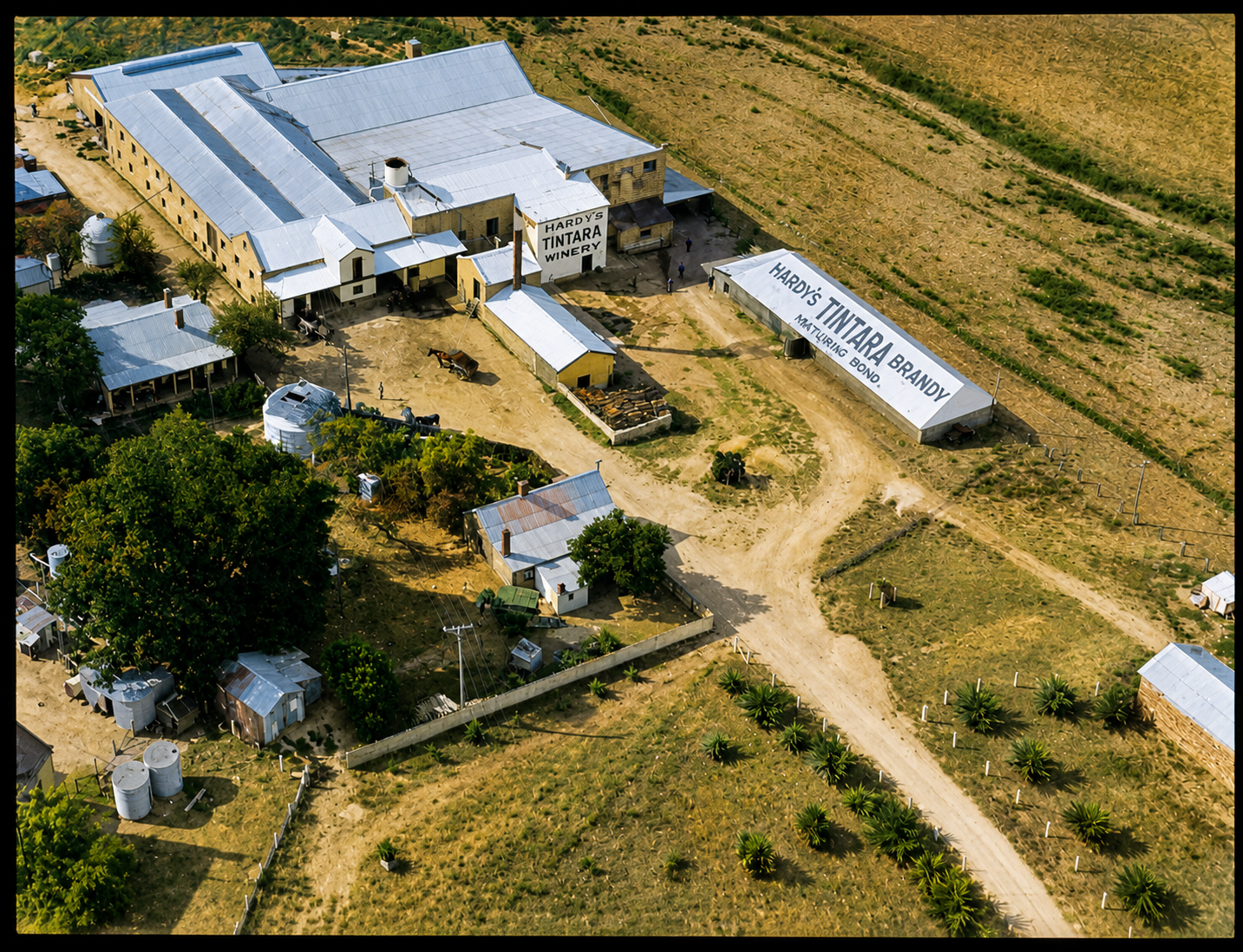
Hardy’s Tintara c. 1935 - D. Darian Smith original image colourised and restored.

Few wineries are as closely connected to the history of McLaren Vale as Hardys Wines and the historic Tintara winery.

The story begins in the mid-nineteenth century, during the earliest years of European settlement in South Australia. At that time, McLaren Vale was still a developing agricultural district of scattered farms, orchards, and small vineyards. Among the early pioneers was Dr Alexander Kelly, a Scottish doctor and viticultural enthusiast who became fascinated by the region’s potential for grape growing. Kelly planted some of the district’s earliest vineyards during the 1840s and later established the Tintara Vineyard Company in 1861.

Tintara quickly became one of the first major commercial wine ventures in McLaren Vale. Kelly was not simply a grower but also an important advocate for Australian viticulture. He wrote some of the colony’s earliest winegrowing texts and promoted the belief that South Australia possessed the climate and soils to produce wines capable of international recognition. The original vineyard plantings included varieties such as Shiraz, Grenache, Mourvèdre, and Carignan — varieties that still define McLaren Vale more than 160 years later.

The next major chapter began in the 1870s when Thomas Hardy purchased Tintara. Hardy had arrived in South Australia from England in 1850 as a young migrant with little money and few connections. After working for early wine pioneer John Reynell and later travelling to the Victorian goldfields, he returned to South Australia and gradually built his own wine business.

Hardy’s purchase of Tintara proved transformative not only for the winery but for McLaren Vale itself. Around 1878, Hardy acquired an old flour mill on the main street of McLaren Vale and converted it into a large wine cellar and production facility. This site became the foundation of what would grow into one of Australia’s largest wine companies.

The scale of Hardy’s ambition was extraordinary for colonial South Australia. Through aggressive expansion, export development, and investment in infrastructure, Thomas Hardy helped establish wine as one of the defining industries of the colony. By the 1890s, his company had become the largest wine producer in South Australia, and Hardy himself was widely referred to as the “father of the South Australian wine industry.”

Hardy’s Tintara c. 1935 - D. Darian Smith original image colourised and restored.

Hardys Tintara therefore became more than a winery. It evolved into a symbol of industrial growth and regional prosperity. As the winery expanded, so too did McLaren Vale. The township developed around farming, transport networks, agricultural services, and wine production. The winery’s location on the main street reinforced its role as both an economic and social centre of the district.

The historic flour mill buildings still visible today are reminders of this transformation. Originally constructed for grain processing during the district’s mixed farming era, the buildings were adapted into wine cellars as viticulture became increasingly dominant. This adaptive reuse reflects the wider history of McLaren Vale itself, where the region evolved from a broad agricultural settlement into a globally recognised wine district.

Throughout the twentieth century, Hardys continued to expand into one of Australia’s most influential wine companies. The Hardy family became deeply embedded in the national wine industry, with multiple generations contributing to vineyard development, winemaking, export trade, and wine promotion. The Tintara site remained one of the company’s historic spiritual homes even as production expanded across Australia.

The winery also holds an extraordinary place in Australian wine history through its association with one of the country’s oldest surviving bottles of wine — an 1867 Tintara claret. This surviving bottle provides a rare physical link to the earliest commercial winemaking period in McLaren Vale and demonstrates how established the region’s industry already was by the 1860s.

Today, visitors to Hardys Tintara encounter more than a cellar door. The site represents multiple eras of South Australian history layered together in one location: colonial farming settlement, nineteenth-century industrial growth, the rise of Australian wine exports, and the emergence of modern wine tourism.

The old stone buildings, heritage cellars, gardens, and winery structures reflect a period when wine production was becoming central to the identity of McLaren Vale. While modern tourism often focuses on tasting experiences and regional lifestyle, sites like Tintara remind visitors that the district was built through generations of agricultural labour, entrepreneurial risk, and infrastructure development.

Few places illustrate the history of Australian wine as clearly as Hardys Tintara. The winery tells the story of how a small colonial farming district became one of the country’s most important wine regions, and how one ambitious migrant family helped shape the future of South Australian viticulture.

The Barn - History of McLaren Vale Wine - Part 7

The Barn and the Changing History of McLaren Vale

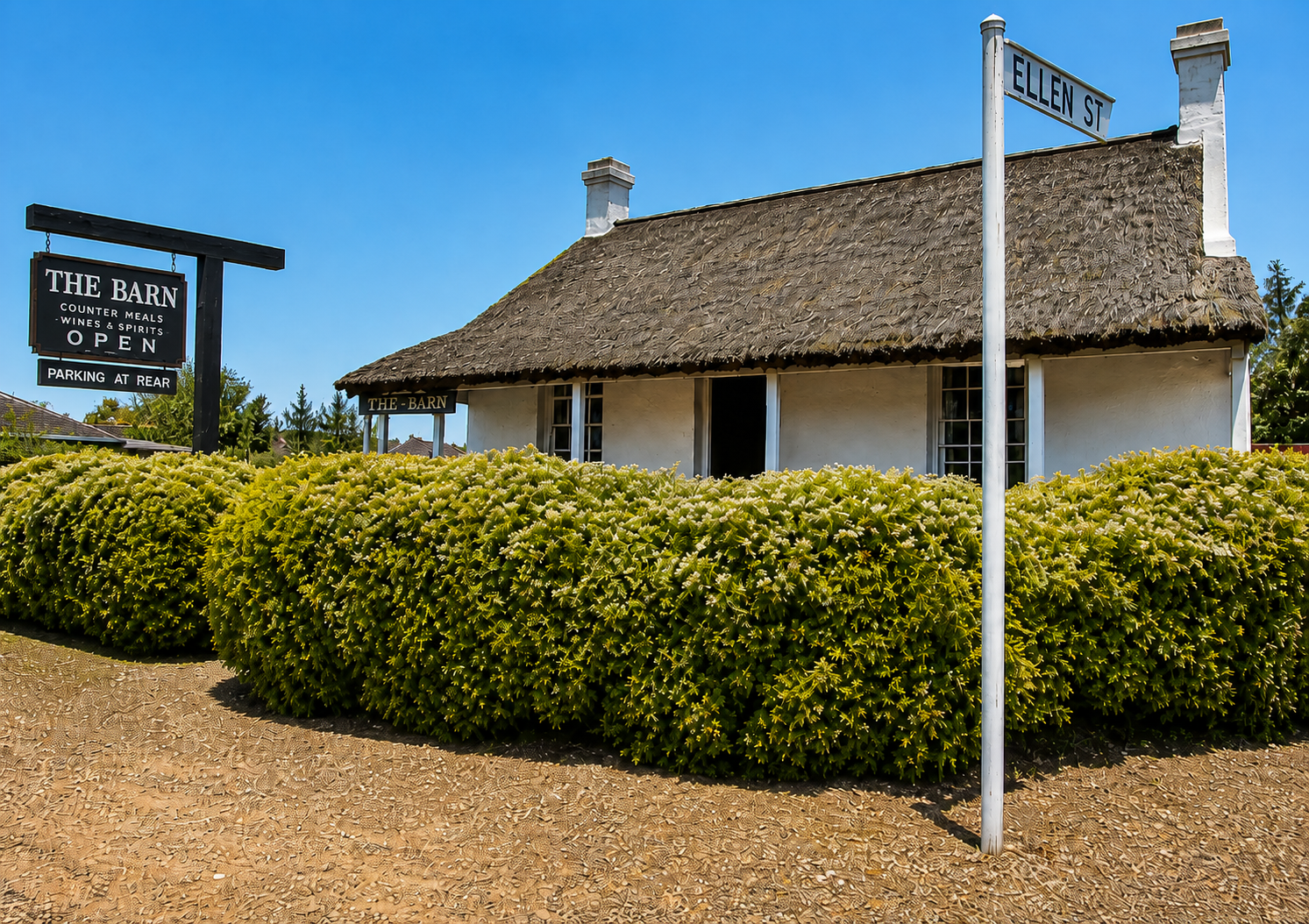
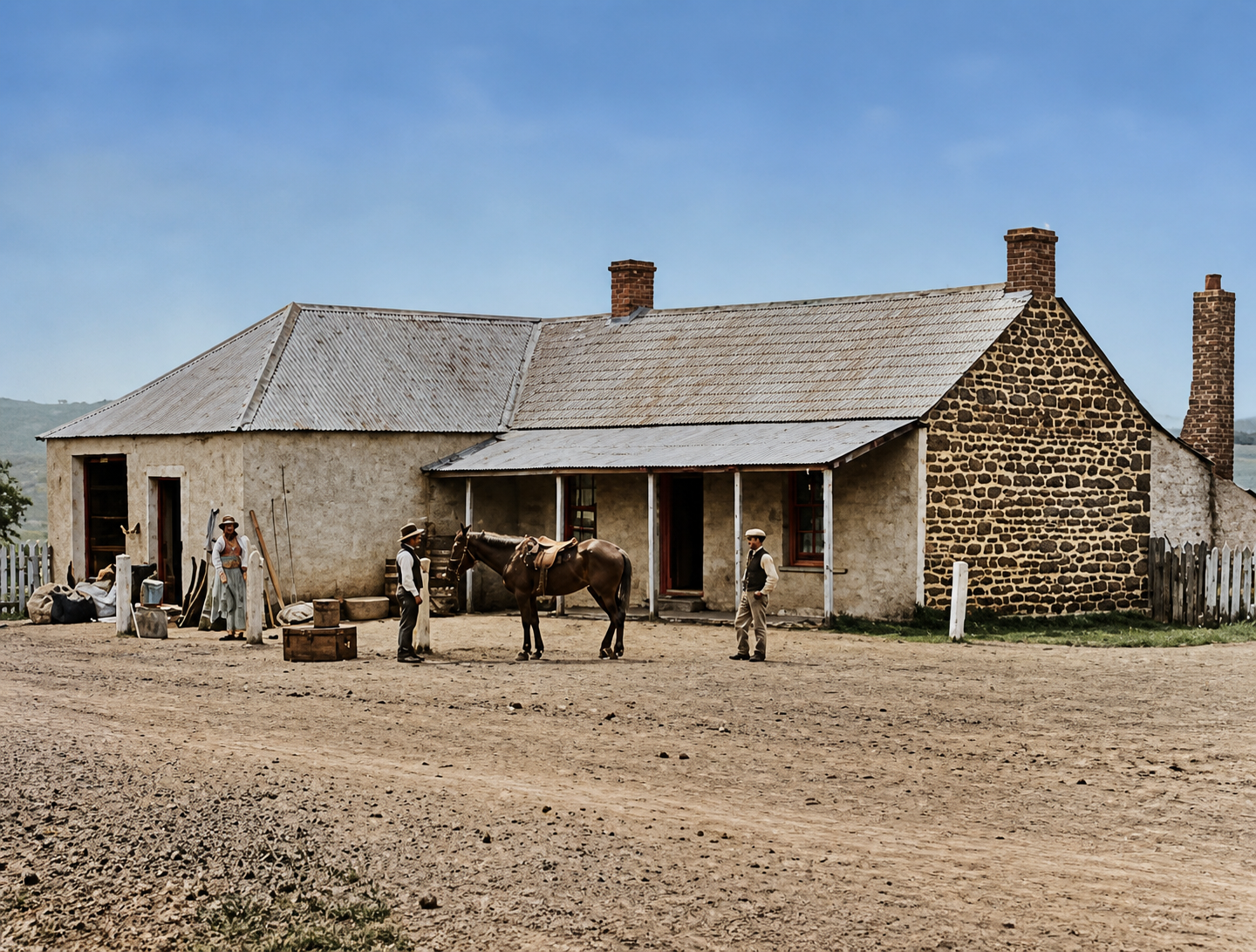
The Barn as a restaurant c. 1970s.

Among the vineyards and cellar doors of McLaren Vale stands one of the district’s most recognisable historic buildings — The Barn. Today it is remembered by many as a restaurant and hospitality venue, but the building itself belongs to a far older version of McLaren Vale, one shaped by farming, horses, freight movement, and colonial transport routes rather than wine tourism.

The history of The Barn reflects the broader transformation of McLaren Vale across more than a century and a half. Long before the region became internationally associated with wine, it was a working agricultural district supporting mixed farming, orchards, livestock, and small vineyards. During the nineteenth century, transport across South Australia depended heavily on horse-drawn coaches and wagons. Buildings such as The Barn were essential pieces of infrastructure in this system, providing stable space, storage, and accommodation for horses and transport operators moving between Adelaide and the Fleurieu Peninsula.

The Barn as a coach house c. 1900.

Historical accounts suggest the building dates back to the 1840s, making it one of the earlier surviving stone structures in the district. Its heavy stone walls, large openings, and practical layout reflect the needs of a transport and farming economy rather than domestic or commercial elegance. Like many colonial agricultural buildings in South Australia, it was constructed for durability and function. At the time, McLaren Vale itself was still developing as a rural settlement and the villages that later formed the township were only beginning to emerge.

As the district expanded through the late nineteenth century, agriculture became more commercialised and connected to wider markets. Improved roads and, later, the arrival of the railway line in the early twentieth century transformed freight movement through the region. Winegrowing gradually expanded and eventually became the dominant industry, although for many decades it operated alongside orchards, currants, almonds, and mixed farming enterprises.

The Barn survived these changes while many similar buildings disappeared. Across regional South Australia, former coach houses and stables were often demolished once horses ceased to dominate transport. Others simply fell into disrepair. In McLaren Vale, however, the survival of old stone agricultural buildings later became one of the defining features of the region’s tourism appeal. As wine tourism expanded during the late twentieth century, many former agricultural structures found new life as restaurants, cellar doors, galleries, and accommodation venues.

The Barn became one of the best-known examples of this transition. Its conversion into a dining venue preserved much of the atmosphere of the original structure. Exposed stonework, timber beams, cellar-like rooms, and courtyards retained visible links to the district’s rural past. Visitors were not simply dining in a restaurant, but within a building that had once belonged to the working agricultural economy that shaped McLaren Vale itself.

For many South Australians, The Barn became closely associated with regional dining culture and hospitality. Yet its historical importance extends beyond its years as a restaurant. The building represents a direct connection between modern McLaren Vale and the earlier farming district from which it emerged. It tells the story of a region that evolved from colonial agriculture into one of Australia’s most recognised wine destinations.

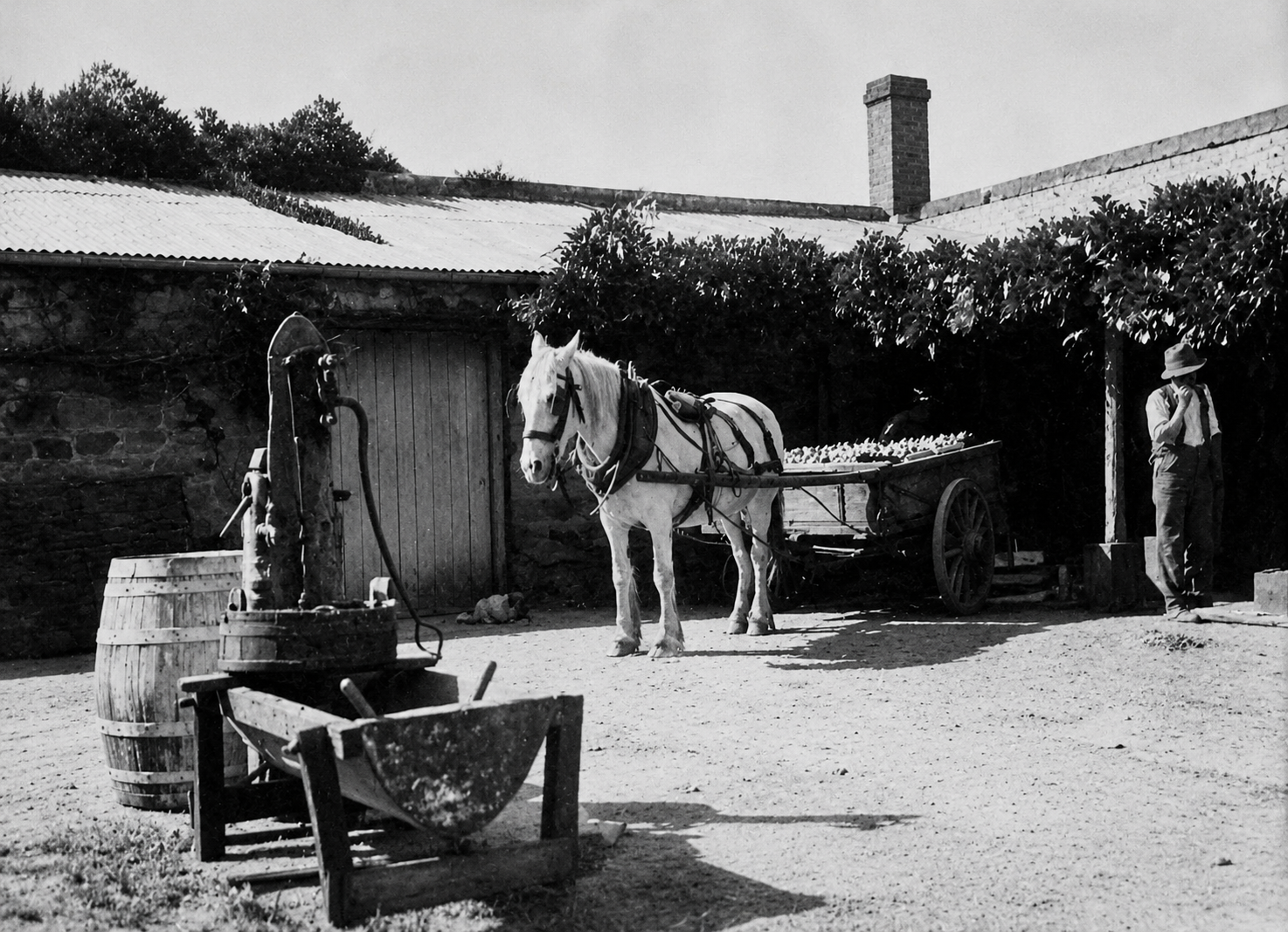
Carthorse and driver in an unknown location in the McLaren Vale region - possibly the rear of the Barn or a similar coach house courtyard.

Buildings like The Barn are important because they preserve the physical evidence of how regional communities once operated. They remind visitors that today’s wine regions were built upon older systems of labour, transport, and agriculture. Before tourism, before cellar doors, and before international wine recognition, McLaren Vale was a practical rural district dependent on freight routes, horses, produce movement, and farming infrastructure.

The Barn remains one of the clearest surviving reminders of that earlier landscape.

Vintage 2025 Report

Early, Dry and Surprisingly Resilient

Vintage 2025 will be remembered as one of McLaren Vale's driest seasons on record.

Rainfall was well below average throughout winter, spring and summer, with the region receiving around 120 mm less rain than Vintage 2024 and about 200 mm less than Vintage 2023. In fact, it was the driest season recorded since the McLaren Vale CropWatch weather station network, which Lazy Ballerina owner James Hook uses to advise the local wine community, was established in 2003. Despite the dry conditions, vineyards generally remained in good condition, although careful irrigation management was critical across the region.

Warm weather arrived early and stayed for most of the season. Spring temperatures were above average, leading to an early budburst and rapid vine growth. Flowering was even and berry set was excellent across most varieties, with very few weather-related issues. Disease pressure was also low, thanks to the dry conditions. No downy mildew was recorded at CropWatch monitoring sites for the first time, while powdery mildew remained the main disease growers needed to manage.

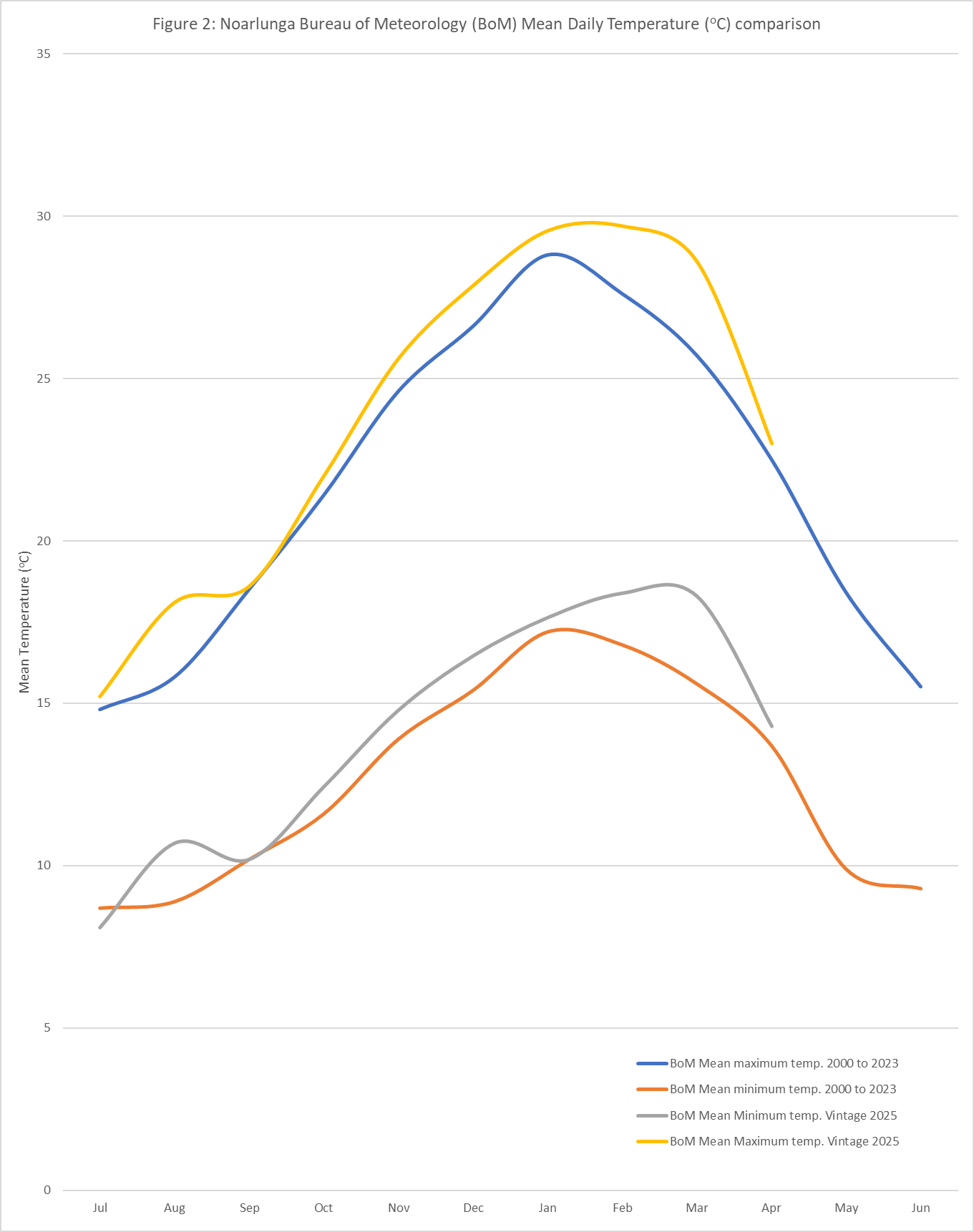
Although the season was warm, there were no major heatwaves (Fig 2). Temperatures regularly reached the mid-thirties, but extreme heat events were limited. This allowed vines to continue ripening steadily without significant heat damage. Dry-grown vineyards showed lower yields than irrigated sites but generally held up remarkably well through harvest.

The combination of warm temperatures and dry soils led to one of the earliest harvests in recent memory. Many wineries operated at full capacity from early February through to mid-March as fruit ripened quickly across the region. Almost all vineyards were harvested within a six-week period. Shiraz at the McLaren Vale Visitors Centre was picked two weeks earlier than the previous season, while the Shiraz block at the CropWatch Kuitpo site recorded its earliest harvest on record.

Yields varied between varieties. Grenache handled the dry conditions particularly well, producing average to above-average crops with excellent fruit quality. Shiraz yields were generally average, reflecting the variety's strong drought tolerance. Cabernet Sauvignon was more affected by the dry conditions, with yields below average in many vineyards.

What about the financial side of things? 36,104 tonnes in McLaren Vale (a 28% increase from 2024, and 16% above the 5-year average). Total Value to the region estimated at $58 million (a 25% increase from 2024).

One of the lasting impacts of the season came after harvest. With little autumn rainfall and limited water supplies, many vineyards lost leaves quickly once fruit was picked. Post-harvest irrigation became especially important, helping vines replenish energy reserves for the following season. In many cases, growers were working with reduced water allocations and carefully managing every available megalitre.

While Vintage 2025 was challenging, it also highlighted the resilience of McLaren Vale's vineyards and growers. Early harvest dates, low disease pressure and strong fruit quality combined to produce a vintage that will be remembered for both its intensity and its ability to deliver excellent wines despite some of the driest conditions seen in decades.


Vintage 2023 Report

Late harvest, with low tonnes per hectare

This season’s vintage went against the trend since the mid-2000s of earlier bud burst, flowering and harvest. Cold temperatures during critical Spring and Autumn delayed vine development. Vintage started about three weeks later than average and lasted through mid-April.

The reckoning is Vintage 2023 to be one of the slower ripening harvests, with many sites picked on the latest date recorded. There were some other late Vintages in McLaren Vale in the 1990s due to cool seasons (1996, 1997 and 1998). For vineyards planted after 1998, the slow 2004 harvest with high vine yields leading to a record for tonnage harvested for our region was the latest date into the winery.

Unfortunately, harvested tonnages this year were generally lower than average, particularly for vineyards in the southern part of the region around Sellicks Hill, Aldinga, Whites Valley, Maslins Beach and Willunga. One of the critical causes of lower yields was wet and windy weather during flowering. This contributed to a lower percentage of berry set, with fewer berries per bunch. In addition, the percentage of berries set was lowest for vineyards close to the Gulf of St Vincent, where they are exposed to cold South-Westerly winds.

Latterly it was also windy during February and March. With blasts up to 85 km/hr, local gully winds flow from the Mt Lofty Ranges, accelerating down the foothills into the Willunga Basin. These high-speed winds further reduced vine yields by breaking shoots and dehydrating bunches during ripening.

Fungal disease pressure was high during Spring; we had the wettest November for 30 years, and then high pressure again in late Autumn, as March and April was wetter than typical. Fungal diseases did have some adverse effects on the harvested crop—Downy mildew infections during flowering damaged bunches. An estimated 25% of bunches were lost to disease in the most severe cases. Bunch Botrytis also developed in late Autumn, with some crops needing to be selectively harvested, with fruit dropped, to prevent Botrytis-infected bunches from contaminating ferments.

Almost all varieties at all locations in the McLaren Vale Wine Region, did reach maturity, though. Very few vineyards were left unpicked because they did not get full ripeness. Successfully ripening grapes was a credit to grape growers who persisted through adverse conditions.

What were the financial implications for grape growers? In the 2023 vintage, McLaren Vale experienced its lowest grape crush since 1993, with 26,467 tonnes reported. This marked a 24% decrease from 2022. Total crop value dropped 29% to $45.5 million. Shiraz (57%) and Cabernet Sauvignon (20%) dominated the yield.

2022 Vintage Report

A Great Quality Year… and I don’t use those words lightly

Vintage Report by James Hook

For the McLaren Vale Wine Region reports from the wine community have been positive, vines held condition well due to a cool summer, and winemaking was made easier by gentle ripening conditions. There were key climatic similarities between Vintage 2022 and the preceding Vintage 2021. This bodes well for wine quality as Vintage 2021 is already highly regarded.

In comparison for both Vintages, while it was a wet La Niña influenced year for other parts of Australia, McLaren Vale vineyards received less than their average rainfall. Both vintages started with above average winter and early spring rains, before having dry conditions through summer and autumn, leading to lower overall rainfall totals.

There is a notable difference between 2021 and 2022. Unfortunately, tonnages were lower than those of 2021 overall as a whole. The lower yields were generally due to unfavourable weather during flowering.  It was cold and windy in mid-spring which corresponded with flowering. November was about 1.5 degrees Celsius cooler than average. This contributed to a lower percentage of berry set, with less berries per bunch, and explains why we didn’t pick as many grapes as in 2021. Berry set was lowest for vineyards that are close to the Gulf St Vincent and therefore are most exposed to cold south-westerly winds.

Crop and Yield Statistics showed a total reported crush: 34,990 tonnes (a 6% decrease from the 2021 harvest of 37,278 tonnes).

Above: McLaren Vale Shiraz progressing from berry set to harvest, November to March - Vintage 2022.

Continuing the parallels between Vintages both had mild summers, without heatwave conditions. January and February 2022 recorded no days above 40 degrees Celsius.

The mild summer was followed by warm autumn season, as with Vintage 2021, this produced a gentle and slow ripening period and delayed harvest. Both seasons had late Veraison colour change dates, and corresponding later harvest dates. Both Vintages generally harvested grapes free of botrytis bunch rot which improves the ability of the resultant wine to age in bottle.

For 2022 grape picking took eight weeks to complete starting at full pace in the first week of March and ending in the second week of April. Harvest dates were like those of 2021. Both were drawn out compared to what has been the recent experience.

So overall we would class Vintage 2022 right up there for quality. Reds have intense, rich and balanced flavours and colours. Whites have pretty aromatics and natural acidity. It may be as well regarded as 2021.

James’ video report prepared for McLaren Vale Grape, Wine & Tourism / DJ’s Growers.

This looks at the key weather events that have influenced the wines for Vintage 2022.

2021 Vintage Report


Lazy Ballerina wines made:

Shiraz, Grenache, Riesling (Clare Valley), Sauvignon Blanc, & NV sparkling wines.


Vintage Report by James Hook

The local wine community is heralding Vintage 2021 as one of the best of the 21st Century.  Overall vineyards in the McLaren Vale Wine Region were more productive, with higher yields at harvest, compared to recent seasons. Importantly the increase in vine yields was combined with excellent quality which was well received by the region’s winemakers.

The reported crush of winegrapes from McLaren Vale was 36,659 tonnes in 2021, up by 28 per cent compared with the 2020 reported crush of 28,751 tonnes.

SERIO-20190320-0476.jpg

Overall the season was average for rainfall, but this fell primarily early in the growing season well before there was ripening fruit. The season was started well as it was the wettest spring since 2010/11. September and October were both wetter than average months. This was welcome after a run of dry spring conditions from 2018 onwards which been contributing to low crop yields. The weather was also warmer than average for both daytime and night-time temperatures. Improved climatic conditions for vine growth increased the vigour of vines, and general vine health compared to the last few seasons.

Visitors Centre Graph 2021-05-12 to 2021-05-19.jpeg

Spring rain did see an outbreak of Downy Mildew begin in some vineyards, but this was quickly suppressed. The wet season ended with a much drier than average November. November 2020 was the driest since 1990 and was a definite hard end to Spring.

November also proved to have the average daily maximum temperature for growing season. This is a rare occurrence. The summer months of January or February are usually the warmest. Both daytime and night-time temperatures for summer were cooler than average. One of the warmest days for the season was on November 27th which was 38.8°C.  

The warm November coincided with flowering. Driven by warm temperatures flowering progressed quickly sites generally took between ten and twenty days from the first capfall to berry set and was completed by the end of November.  

There was mild weather through December. There were only two days above 35°C. January was slightly hotter but still below average.  The hottest day was 24th January, which triggered a bushfire at Cherry Gardens nearby in the Adelaide Hills, with 42.9°C recorded at Noarlunga. The temperatures in February were ideal with no days above 35°C and temperatures staying around the high 20s and low 30s each day.

Veraison in red grapes and softening in whites was later than typical, early February, and ripening was steady. There were a few rain events of 10-20mm during ripening, but this has only a minor effect on harvest. Botrytis levels were almost nil except for a few cases of tight bunches, or sites that had insect damage.

Grape picking took 8 weeks to complete starting at full pace in the first week of March and ending in the second week of April. It was a long, drawn out vintage compared to what has been the recent experience. The reports from winemakers on wine quality has been good, with winemaking made easier by cool weather and gentle ripening.